
The Importance of Sleep in Early Childhood

Sleep is one of the most important parts of healthy child development. During sleep, young children’s brains and bodies continue to grow, process information, regulate emotions, and restore energy. Research shows that healthy sleep supports: Brain development Learning Memory Attention Emotional regulation Physical growth Immune health According to the Centers for Disease Control and Prevention […]
Healthy Nutrition and Eating Habits for Young Children

Nutrition plays an important role in early childhood development. During the first six years of life, children’s bodies and brains grow rapidly, and healthy eating helps support learning, energy, growth, sleep, and overall well-being. Research shows that proper nutrition during early childhood supports brain development, immune health, attention, and long-term physical health. According to the […]
Managing Tantrums and Big Emotions in Young Children
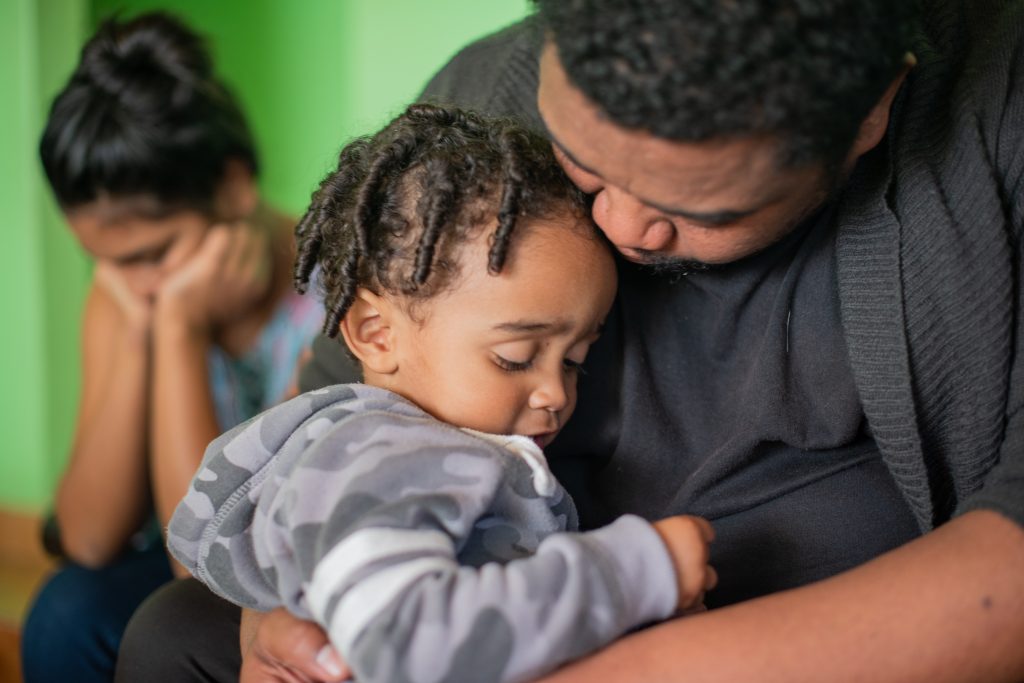
Tantrums, crying, frustration, and emotional outbursts are a normal part of early childhood development. Young children are still learning how to communicate, wait, manage disappointment, and regulate emotions. Between birth and age 6, children’s brains are still developing the skills needed for self-control and emotional regulation. Research from Harvard’s Center on the Developing Child explains […]
Encouraging Independence in Young Children
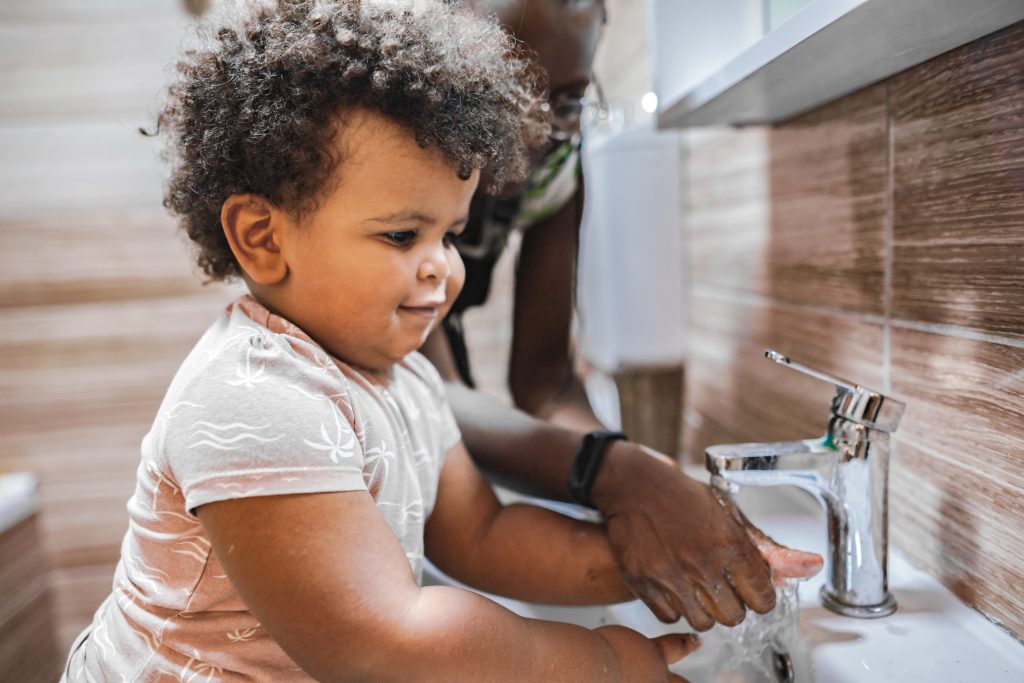
One of the most important goals of early childhood is helping children become more independent over time. Independence begins with small everyday skills — feeding, dressing, communicating needs, following routines, making choices, and participating in daily activities. Research shows that encouraging independence during early childhood supports confidence, problem-solving, emotional development, and school readiness. According to […]
Understanding Sensory Play and Why It Matters
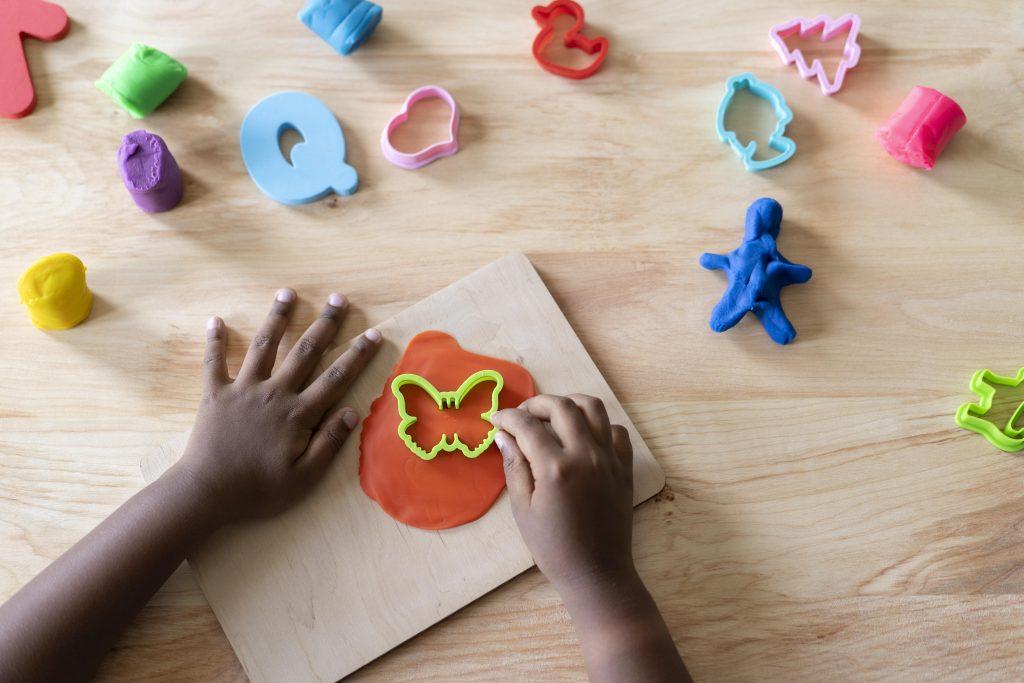
Young children learn about the world through their senses. Touching, hearing, seeing, tasting, moving, and exploring help children build important brain connections during early childhood. Sensory play includes activities that stimulate a child’s senses through hands-on exploration and movement. Research shows that sensory experiences support cognitive development, communication, motor skills, emotional regulation, and learning readiness. […]
Helping Young Children Develop Communication Skills
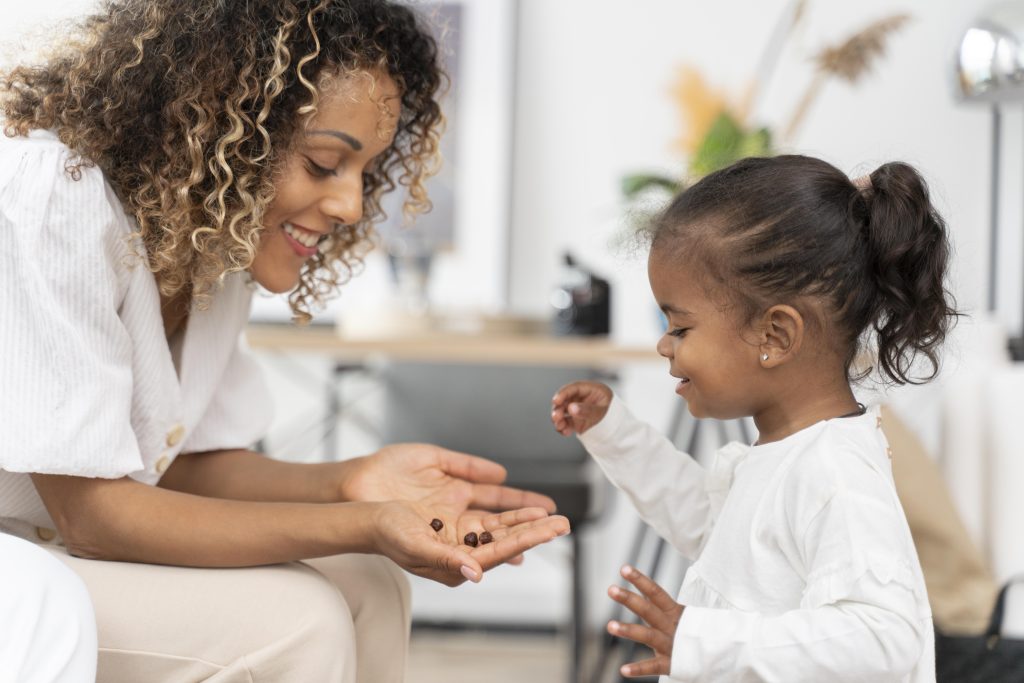
Communication begins long before children say their first words. From birth, babies communicate through crying, eye contact, facial expressions, sounds, gestures, and movement. During the first six years of life, children rapidly develop communication skills that help them connect with others, express needs, learn, and build relationships. Research shows that early communication development is closely […]
Understanding Early Childhood Developmental Milestones
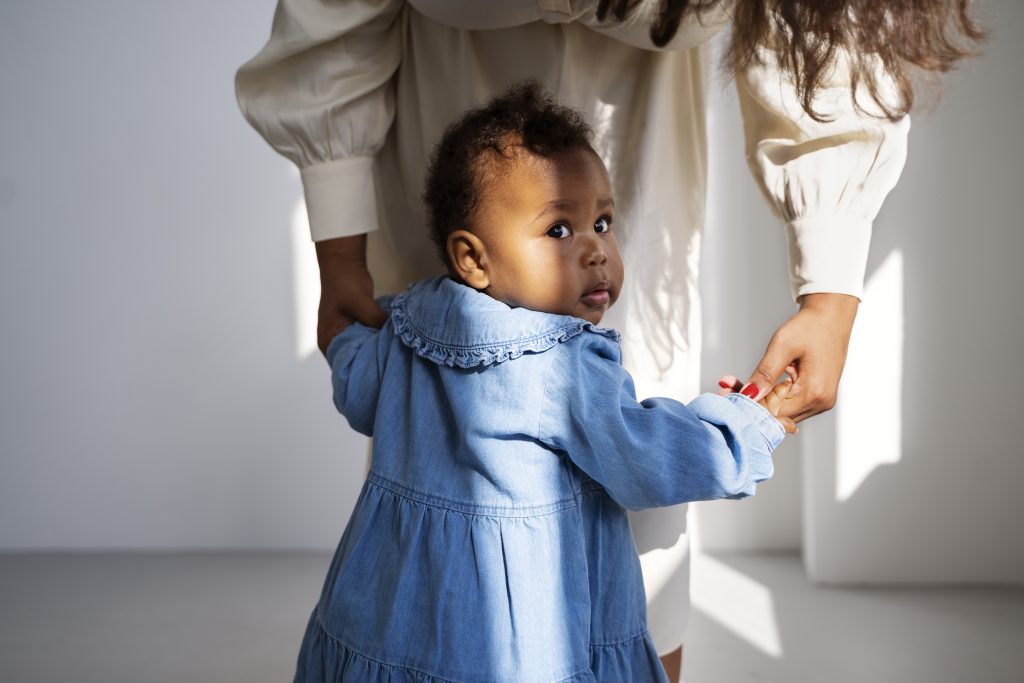
Every child develops at their own pace, but there are important developmental skills that most children typically learn during the early years. These are called developmental milestones. Milestones help parents and professionals understand how children are growing in areas such as: Communication Movement Social interaction Play Learning Daily living skills Research shows that early identification […]
Building Healthy Routines for Young Children

Young children thrive with routines. Predictable daily routines help children feel safe, secure, and ready to learn. From birth through age 6, routines support emotional development, communication, behavior, sleep, independence, and overall well-being. Research shows that consistent routines can help improve emotional regulation, reduce stress, and support healthy development in young children. According to the […]
Supporting Social Skills in Young Children
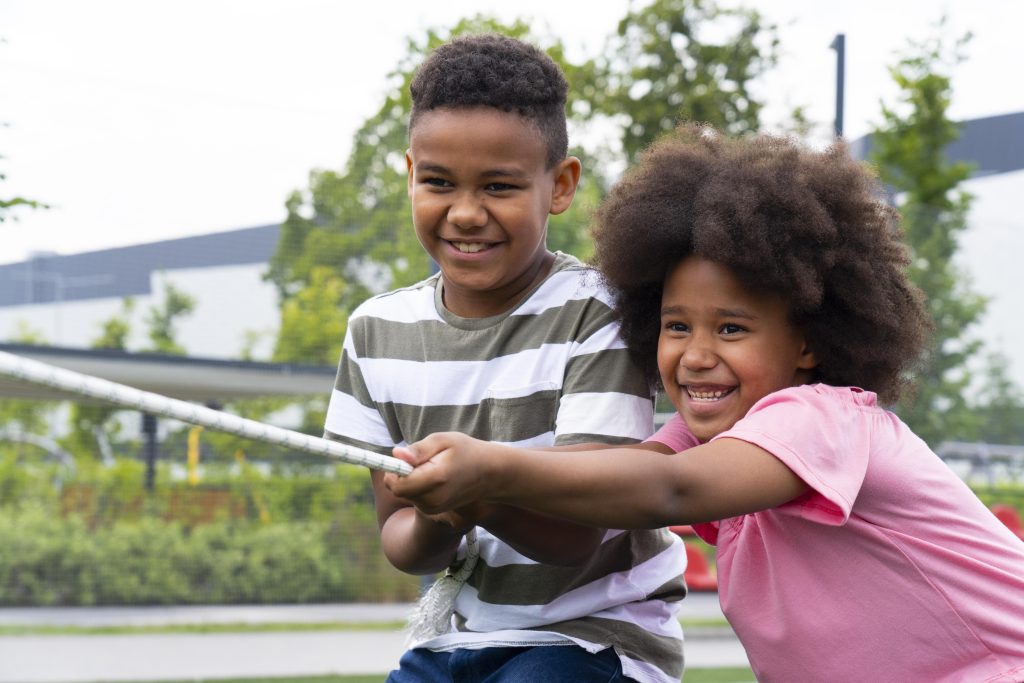
Social skills begin developing long before children enter school. From infancy, children learn how to connect with others through eye contact, smiles, play, communication, imitation, and everyday interaction. Research shows that early social-emotional development plays an important role in school readiness, communication, relationships, and long-term well-being. According to the Center on the Developing Child at […]
The Importance of Reading to Young Children

Reading with young children is one of the most powerful ways parents can support early development. Even before children can speak or understand every word, their brains are learning from hearing language, seeing pictures, listening to sounds, and interacting with caregivers. Research shows that early reading supports language development, communication, attention, memory, and school readiness. […]