
Social skills begin developing long before children enter school. From infancy, children learn how to connect with others through eye contact, smiles, play, communication, imitation, and everyday interaction.
Research shows that early social-emotional development plays an important role in school readiness, communication, relationships, and long-term well-being. According to the Center on the Developing Child at Harvard University, responsive relationships and positive interactions help build the foundation for emotional regulation, social competence, and healthy brain development.
Social skills are not learned all at once.
They develop gradually through daily experiences, play, and supportive relationships.
What Are Social Skills?
Social skills help children interact with others appropriately and confidently.
Examples include:
- Making eye contact
- Responding to their name
- Taking turns
- Sharing
- Playing with others
- Following simple social routines
- Expressing emotions
- Asking for help
- Understanding boundaries
Young children learn these skills step by step.
Social Skills Start Early
Even babies are learning social interaction.
Infants begin to:
- Smile back at caregivers
- Watch faces
- Respond to voices
- Copy sounds and expressions
Toddlers begin learning:
- Joint attention
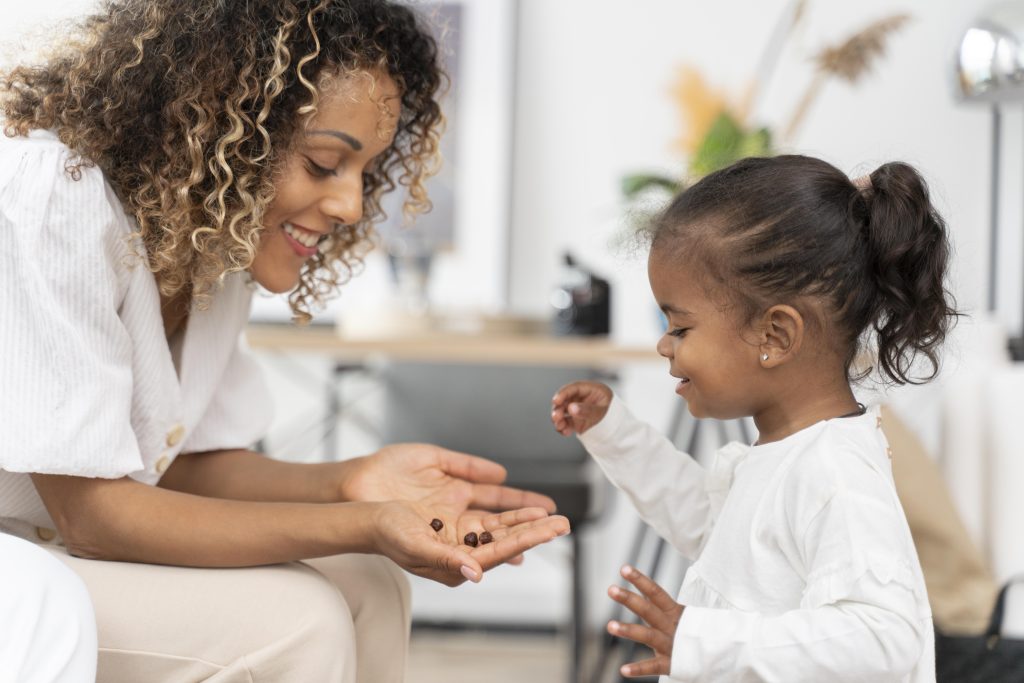
- Simple turn-taking
- Playing near other children
- Using words or gestures to communicate
Preschoolers continue developing:
- Friendships
- Cooperation
- Problem-solving
- Emotional understanding
- Group participation
Why Social Skills Matter
Strong social development supports:
- Communication
- Emotional regulation
- Confidence
- Learning readiness
- Peer relationships
- Independence
Children with strong social-emotional skills often adapt more easily to classroom environments and group learning settings.
Play Is One of the Best Ways to Teach Social Skills
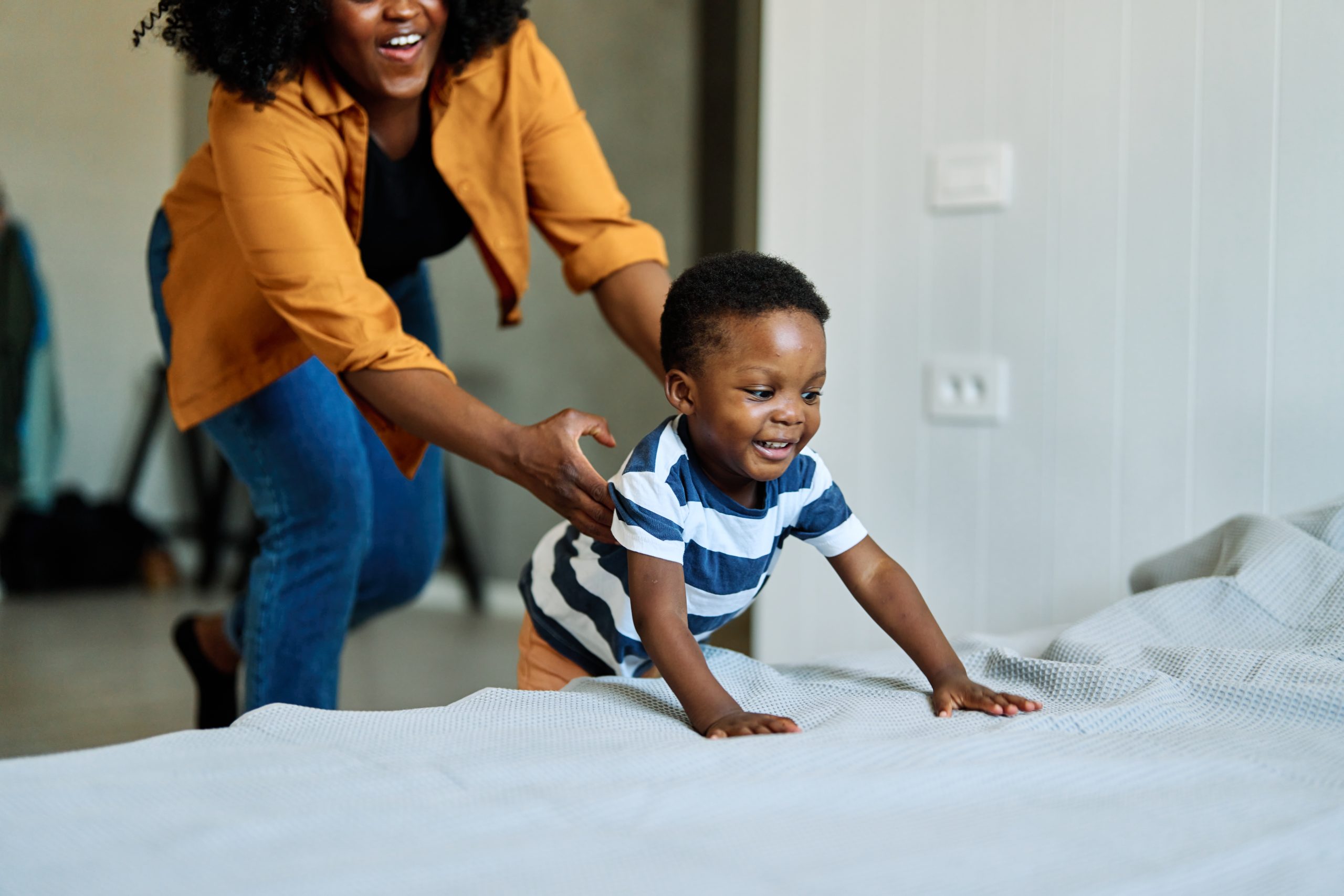
Young children learn social skills best through real interaction and play.
Activities that support social development include:
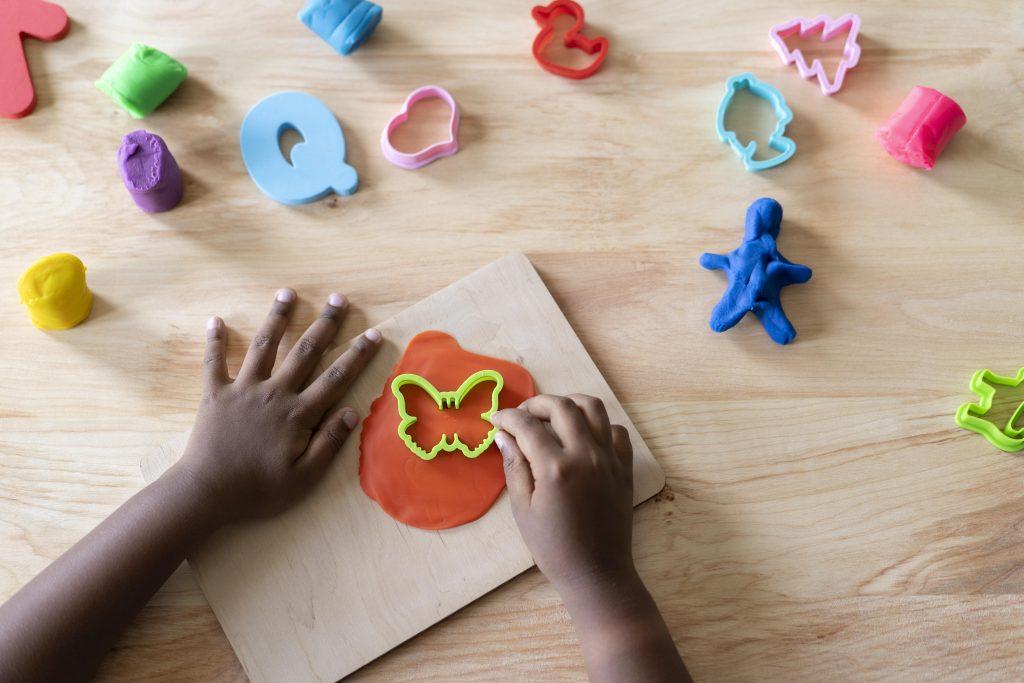
- Pretend play
- Group games
- Singing together
- Building together
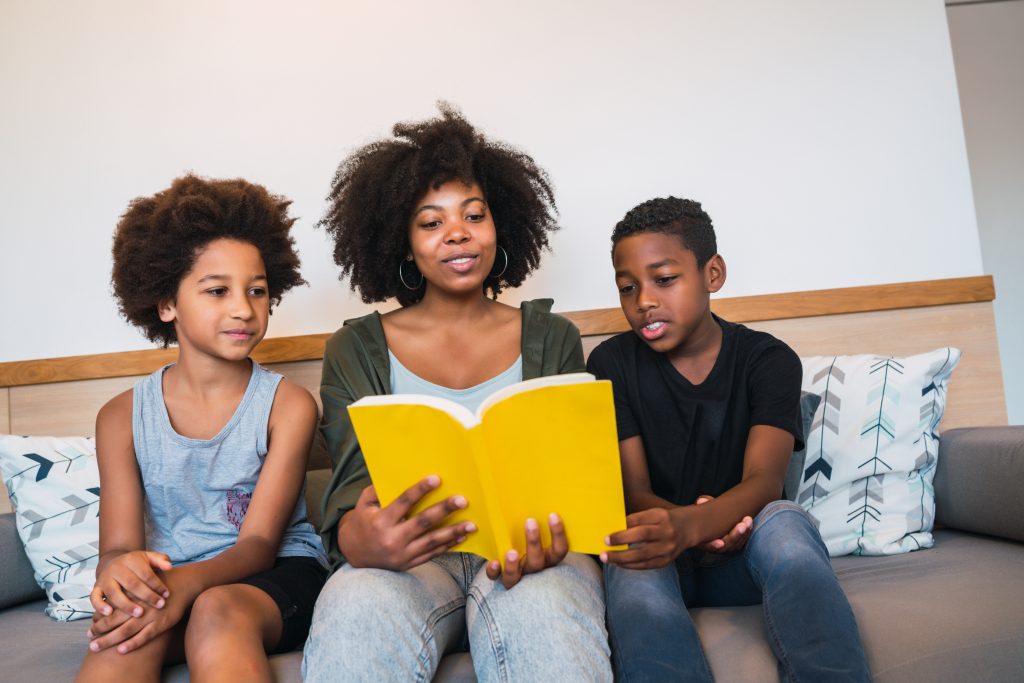
- Storytime
- Turn-taking activities
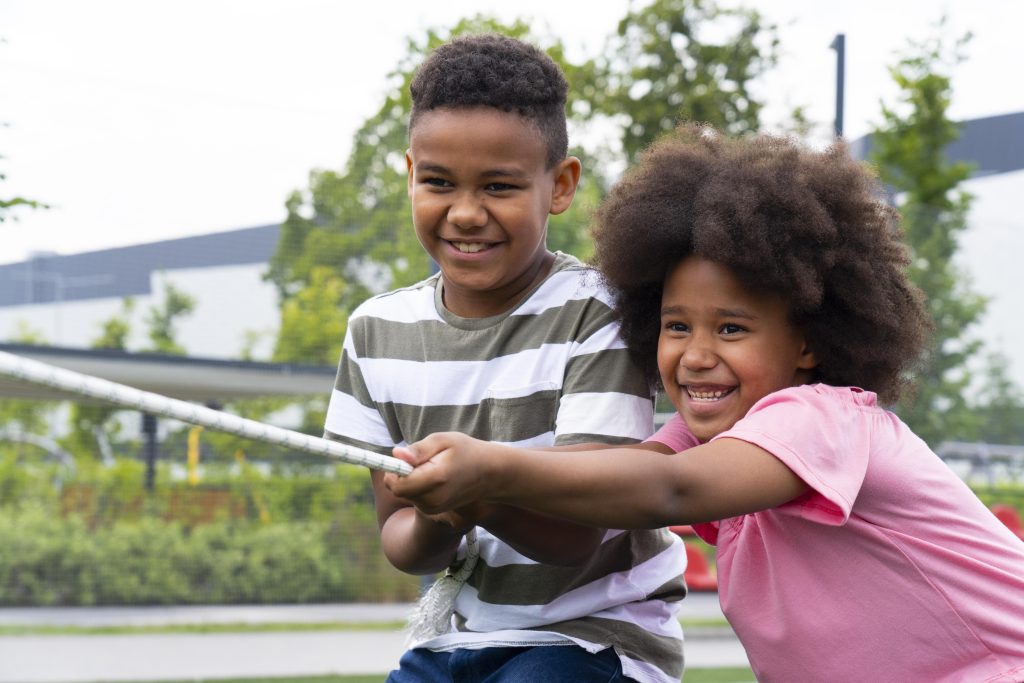
- Outdoor play
During play, children naturally practice:
- Waiting
- Sharing
- Communicating
- Problem-solving
- Understanding emotions
Modeling Is Powerful
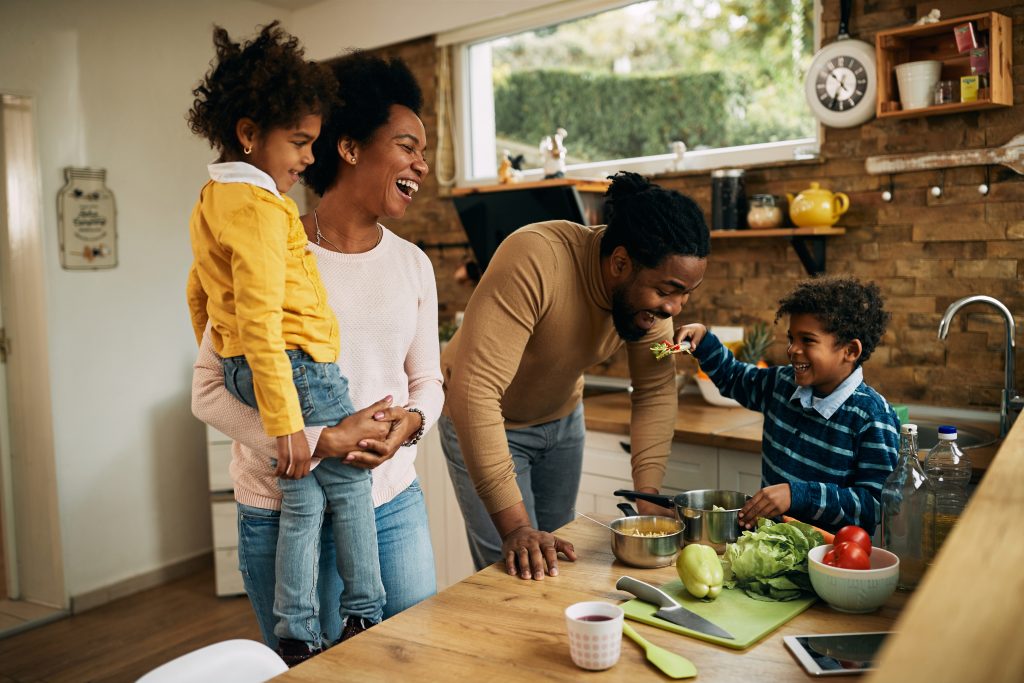
Children learn by watching adults.
Parents and caregivers can support social development by modeling:
- Kindness
- Patience
- Greetings
- Listening
- Emotional expression
- Problem-solving
Simple moments matter.
For example:
- Saying “please” and “thank you”
- Naming emotions
- Greeting neighbors
- Talking calmly during challenges
Children learn social behavior through observation and repetition.
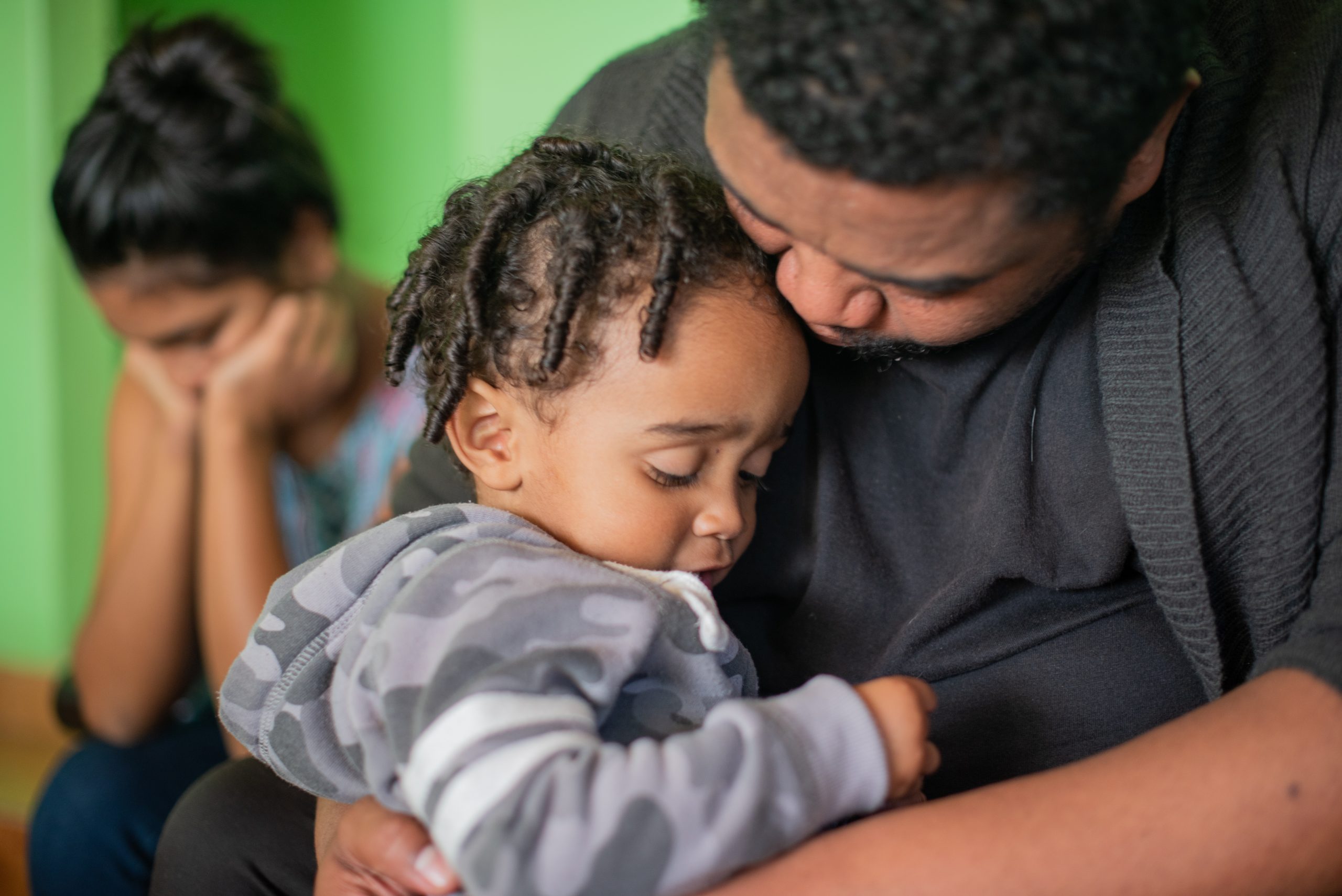
Helping Children Learn Emotional Skills
Social skills and emotional skills are closely connected.
Young children are still learning how to:
- Handle frustration
- Wait
- Transition between activities
- Express feelings safely
Instead of expecting perfect behavior, it helps to teach and guide children step by step.
Helpful strategies include:
- Naming emotions (“You look frustrated.”)
- Offering choices
- Using simple routines
- Praising positive interaction
- Practicing calming strategies
When Social Development May Need Extra Support
Children develop at different rates. However, some signs may suggest a child could benefit from additional support or developmental screening.
Examples include:
- Limited eye contact
- Not responding to their name consistently
- Limited interest in interaction
- Difficulty engaging in play
- Limited communication
- Repetitive behaviors
- Difficulty connecting with peers
Early identification and support can help children build important communication and social skills during the years when the brain is highly adaptable.
Simple Ways Parents Can Support Social Skills at Home
You do not need complicated activities.
Simple everyday interactions help the most:
- Talking during routines
- Playing face-to-face games
- Reading together
- Singing songs
- Visiting parks or playgroups
- Encouraging pretend play
- Practicing greetings and turn-taking
The goal is not perfection.
The goal is connection and practice.
Final Thoughts
Social skills develop over time through relationships, interaction, and play.
Everyday moments — talking, laughing, playing, reading, and responding to children — help build the foundation for communication, confidence, and emotional well-being.
With patience, guidance, and supportive interaction, young children can continue developing the social skills they need to connect, learn, and thrive.