



Tantrums, crying, frustration, and emotional outbursts are a normal part of early childhood development. Young children are still learning how to communicate, wait, manage disappointment, and regulate emotions.
Between birth and age 6, children’s brains are still developing the skills needed for self-control and emotional regulation. Research from Harvard’s Center on the Developing Child explains that self-regulation skills develop gradually through supportive relationships and repeated practice over time.
Big emotions are not always “bad behavior.”
Often, they are signs that a child needs support, guidance, or help managing overwhelming feelings.
Why Young Children Have Tantrums
Tantrums can happen for many reasons, including:
- Fatigue
- Hunger
- Frustration
- Difficulty communicating
- Changes in routine
- Sensory overload
- Wanting independence
- Difficulty waiting
- Overstimulation
Young children do not yet have fully developed emotional control or problem-solving skills. Their brains are still learning how to manage strong feelings.
Emotional Regulation Is a Skill
Children are not born knowing how to:
- Stay calm
- Wait patiently
- Handle disappointment
- Express emotions appropriately
These are skills that develop gradually with support and repetition.
Just like learning to walk or talk, emotional regulation takes time and practice.
Staying Calm Helps Children Learn
When children are overwhelmed, adults often become overwhelmed too. However, children learn emotional regulation best when adults remain calm and supportive.
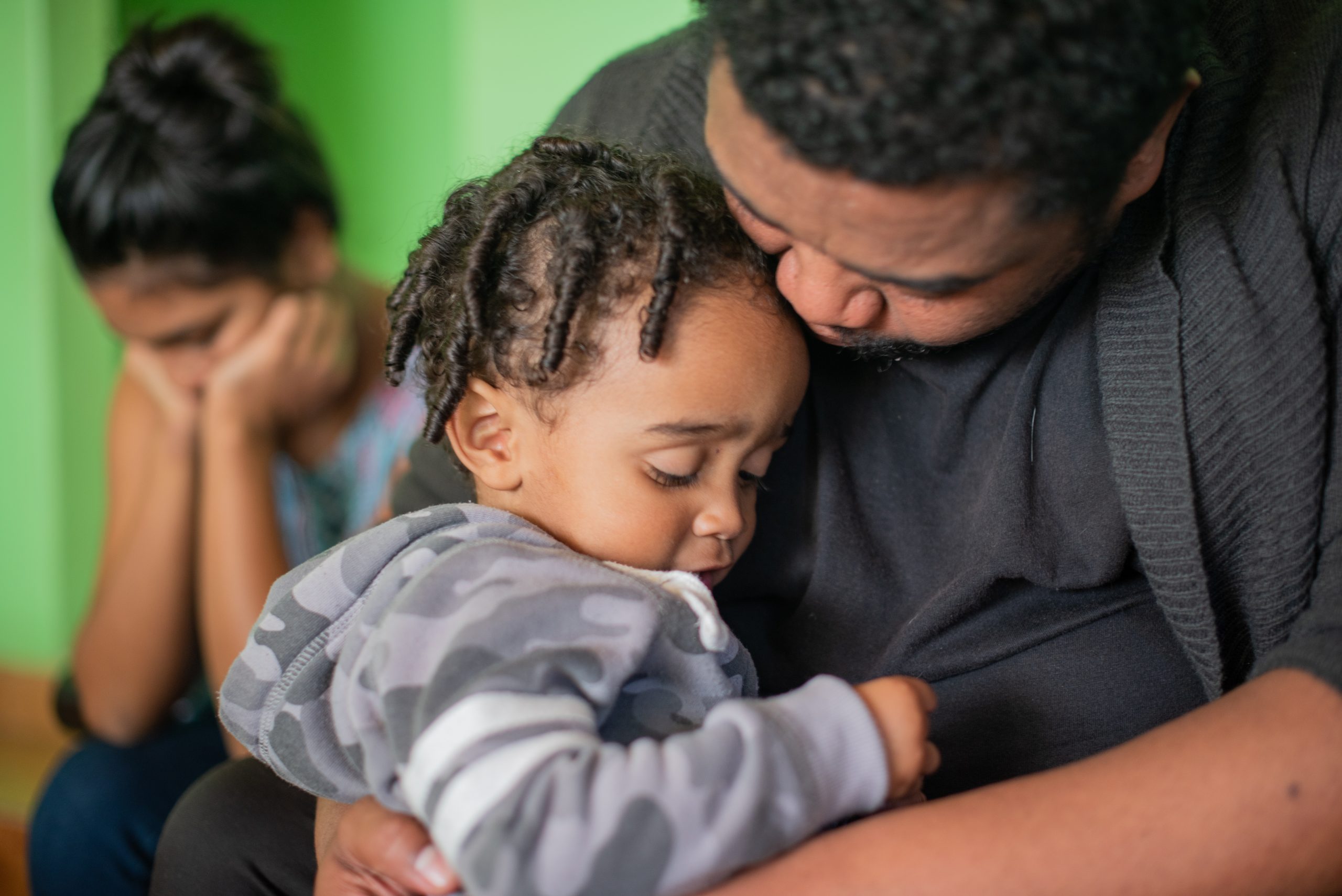
Research shows that children benefit from co-regulation — meaning adults help children calm down through connection, safety, and guidance.
Helpful responses may include:
- Speaking calmly
- Using simple language
- Staying nearby
- Acknowledging feelings
- Reducing stimulation
- Offering reassurance
Children often borrow calmness from trusted adults.
Validate Feelings While Setting Limits
Validating feelings does not mean allowing unsafe behavior.
Parents can acknowledge emotions while still maintaining boundaries.
Examples:
- “I know you’re upset.”
- “You’re frustrated because you wanted more time.”
- “It’s okay to feel angry. It’s not okay to hit.”
This teaches children that emotions are acceptable, but certain behaviors still require limits.
Young Children Need Help Naming Emotions
Children often behave emotionally before they can explain how they feel.
Parents can help by naming emotions:
- Happy
- Sad
- Angry
- Excited
- Frustrated
- Nervous
- Tired
Over time, children begin learning to express emotions with words instead of behavior alone.
Preventing Tantrums When Possible
Not every tantrum can be prevented, but some strategies may reduce emotional overload.
Helpful supports include:
- Consistent routines
- Adequate sleep
- Predictable transitions
- Snack and meal schedules
- Transition warnings
- Visual schedules
- Calm environments
- Clear expectations
Young children often do better when life feels predictable and manageable.
Transitions Can Be Difficult
Many tantrums happen during transitions:
- Leaving the park
- Turning off screens
- Bedtime
- Cleaning up
- Changing activities
Helpful strategies include:
- Giving countdown warnings
- Using visual timers
- Singing transition songs
- Using “first-then” language
- Offering simple choices
For example:
“First clean up, then story time.”
Teaching Calm-Down Skills
Children can gradually learn calming strategies such as:
- Deep breathing
- Hugging a stuffed animal
- Taking a break
- Asking for help
- Using words to communicate
- Quiet sensory activities
These skills take practice and adult support.
When Emotional Reactions May Need Additional Support
Some children experience more intense emotional reactions than others.
Parents may want additional support if a child frequently shows:
- Extreme aggression
- Self-injury
- Difficulty calming
- Severe sensory reactions
- Limited communication
- Emotional outbursts that interfere significantly with daily life
Early support can help children build communication, coping, and self-regulation skills.
Avoid Expecting Perfection
Young children are still learning.
Tantrums and emotional moments do not mean parents are failing or children are “bad.”
Development includes:
- Testing limits
- Practicing communication
- Learning emotions
- Building self-control gradually
The goal is not perfect behavior.
The goal is helping children learn emotional skills over time.
Final Thoughts
Big emotions are a normal part of early childhood.
Children need patient adults who can help them:
- Feel safe
- Understand emotions
- Learn calming strategies
- Communicate needs
- Build self-regulation gradually
With support, repetition, and responsive relationships, children can continue developing the emotional skills they need to grow, learn, and connect with others.