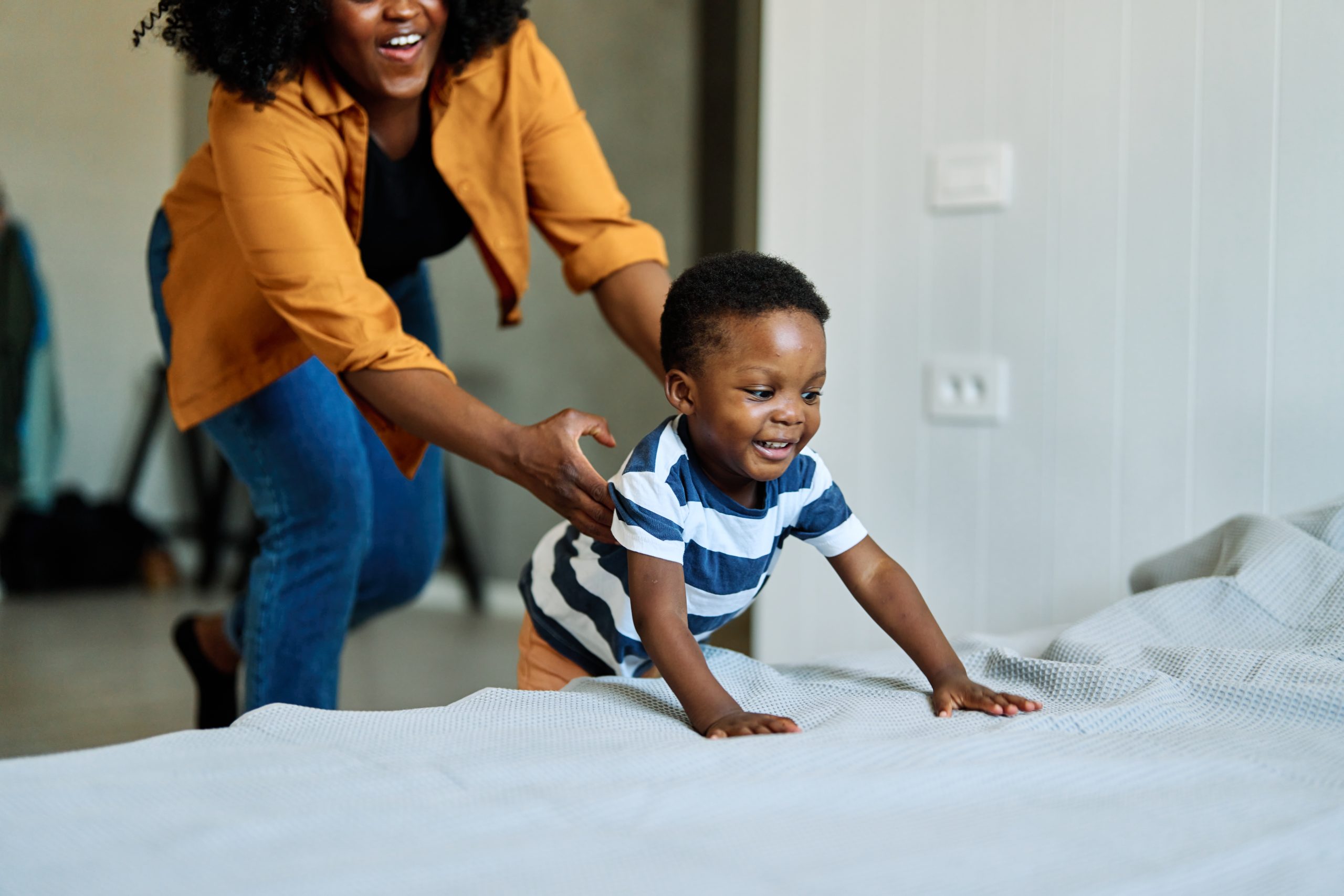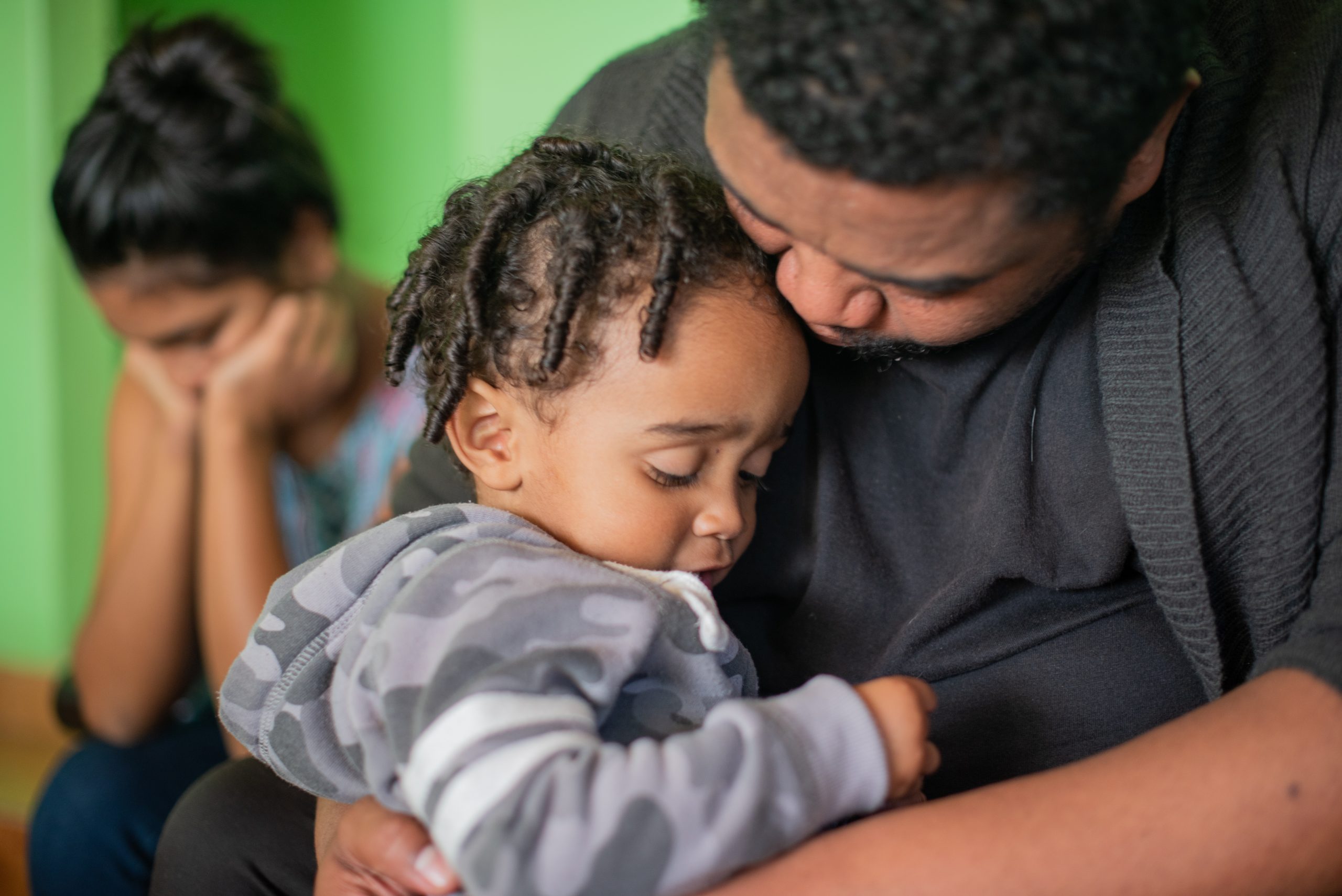


Creativity is not just art. For young children, creativity is part of how they learn, communicate, solve problems, and understand the world.
Between birth and age 6, children’s brains are developing quickly. Simple activities like singing, drawing, dancing, building, pretending, and exploring textures help strengthen early learning skills. Research from Harvard’s Center on the Developing Child explains that responsive back-and-forth interactions between children and adults help build brain architecture and support language, social skills, and thinking skills.
Creativity Helps Children Learn Through Play
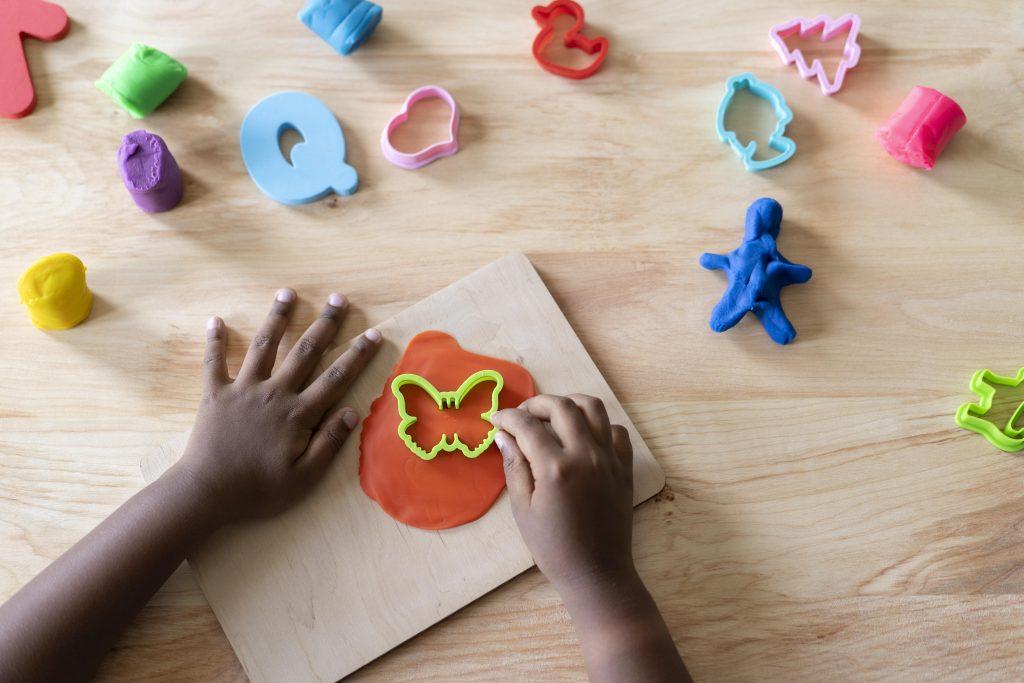
Young children do not learn best by sitting still for long periods. They learn by touching, moving, trying, repeating, and playing.
The American Academy of Pediatrics describes play as essential for healthy development. Play supports communication, problem-solving, social skills, emotional regulation, attention, and school readiness.
This means that when a child paints, builds with blocks, dances, sings, or pretends to cook, they are not “just playing.” They are learning.
Creativity Supports Language and Communication
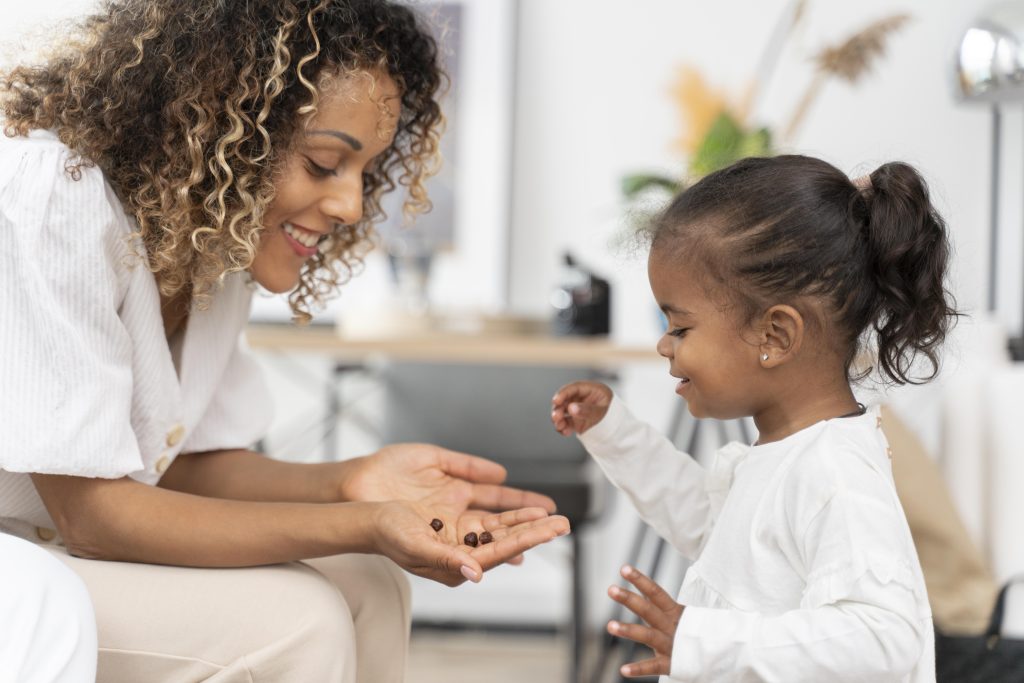
Creative activities give children many reasons to communicate.
A child may point, gesture, request, name colors, describe what they made, copy sounds, sing words, or answer simple questions. Even before a child speaks clearly, creative play can help them connect with adults and other children.
For children with speech delays or developmental concerns, creativity can open a door to communication without pressure.
Creativity Builds Confidence
When children create something, they begin to feel capable.
They learn:
“I can try.”
“I can make choices.”
“My ideas matter.”
This confidence is important for later learning. Children who feel safe to explore are more likely to try new tasks, tolerate mistakes, and keep practicing.
Creativity Helps Social and Emotional Development
Creative play also teaches children how to share, wait, take turns, express feelings, and cooperate.
For example, during pretend play, children may practice being a doctor, teacher, parent, shopkeeper, or builder. These simple games help them understand people, emotions, routines, and social roles.
Easy Creative Activities Parents Can Do at Home
Parents do not need expensive materials. Everyday items are enough.
Try:
- Singing songs during bath time
- Drawing with crayons
- Dancing to music
- Building with cups, boxes, or blocks
- Pretend cooking
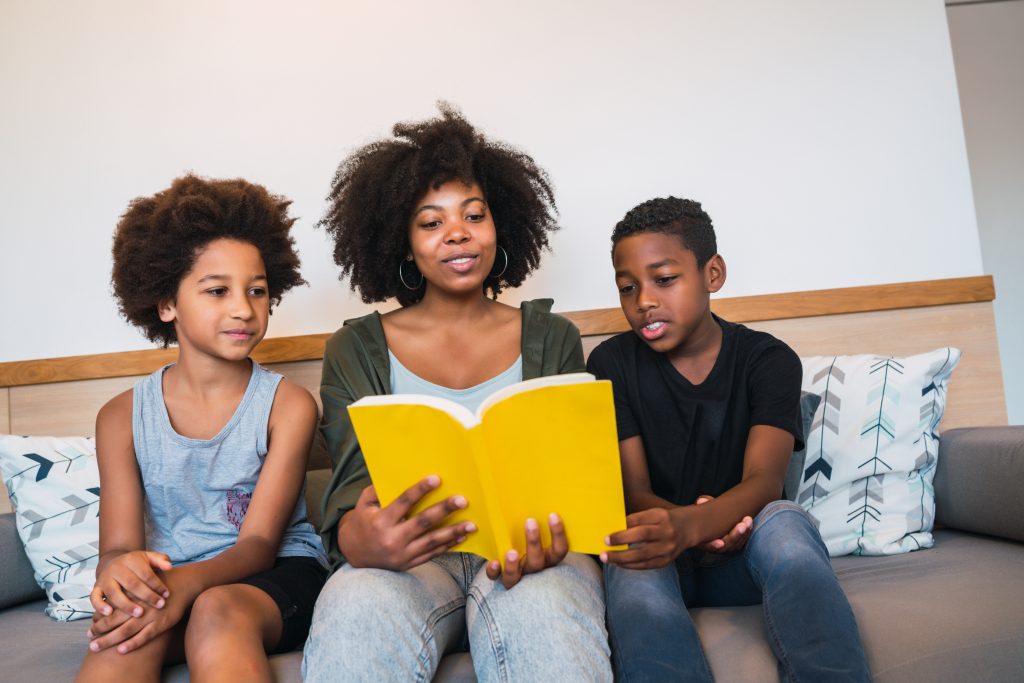
- Looking at picture books
- Playing with water, sand, rice, or safe household materials
- Making stories with dolls, cars, or animals
The most important part is not the final product. It is the interaction, joy, and learning that happen during the activity.
Final Thought
Creativity is not extra. It is part of early childhood development.
When parents give children time to play, explore, imagine, and create, they are supporting brain development, communication, confidence, and school readiness.
A few minutes of creative play each day can make a meaningful difference.