




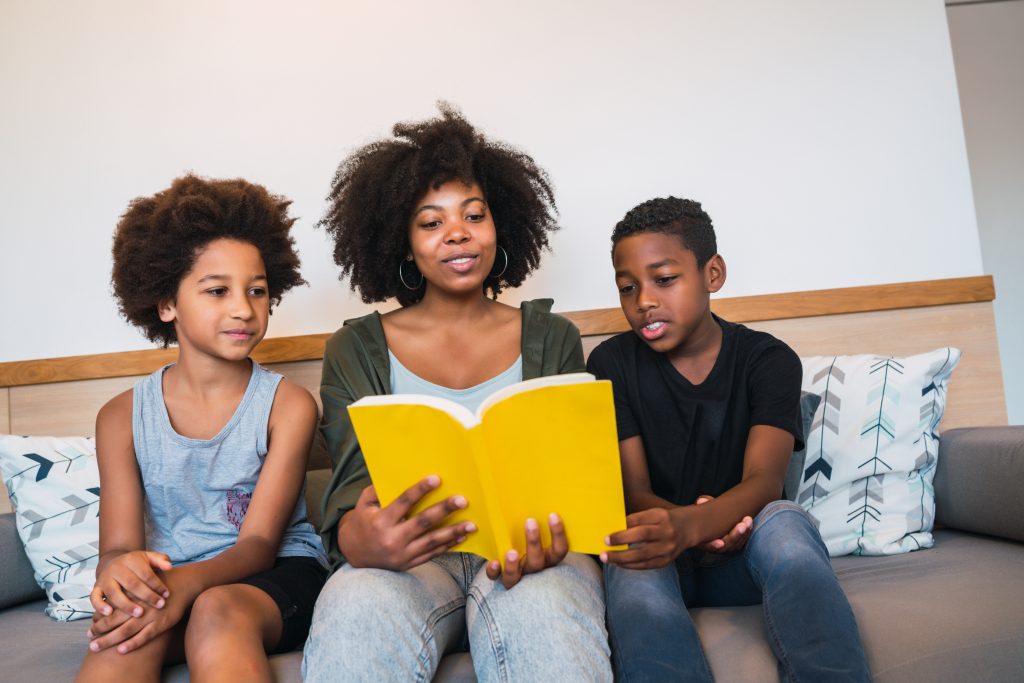
Reading with young children is one of the most powerful ways parents can support early development. Even before children can speak or understand every word, their brains are learning from hearing language, seeing pictures, listening to sounds, and interacting with caregivers.
Research shows that early reading supports language development, communication, attention, memory, and school readiness. According to the American Academy of Pediatrics, reading aloud to children from infancy helps strengthen parent-child relationships while supporting early brain development and literacy skills.
Reading does not need to be long or complicated.
Even a few minutes each day can make a meaningful difference.
Why Reading Early Matters
From birth to age 6, children’s brains develop rapidly. During this period, children learn language through repeated exposure to words, sounds, conversations, and interaction.
When parents read with children, they help build:
- Vocabulary
- Listening skills
- Attention
- Memory
- Communication
- Imagination
- Early literacy skills
Children who are regularly exposed to books and language-rich interaction are often better prepared for school and communication later in life.
Reading Supports Language Development
Hearing words repeatedly helps children learn how language works.
Even babies benefit from:
- Hearing voices
- Looking at pictures
- Listening to rhythm and tone
- Repeating sounds
As children grow, books introduce:
- New vocabulary
- Sentence structure
- Storytelling
- Questions and answers
Research from Harvard’s Center on the Developing Child highlights that responsive interaction — talking, responding, and engaging with children — helps strengthen brain development and communication skills.
Reading Builds Attention and Listening Skills
Young children gradually learn how to:
- Sit and listen
- Follow a story
- Focus on pictures
- Turn pages
- Anticipate what comes next
These early attention skills later support classroom learning and daily routines.
For toddlers and preschoolers, short and interactive reading sessions are often more effective than trying to force long periods of sitting.
Reading Supports Emotional Connection
Reading together is also about connection.
Children feel safe and supported when adults:
- Sit close
- Use warm voices
- Point to pictures
- Laugh together
- Ask questions
- Respond to their interests
These positive interactions strengthen emotional bonding and create enjoyable learning experiences.
Reading Encourages Imagination and Creativity
Books help children imagine new places, people, animals, and experiences.
Stories encourage:
- Curiosity
- Creativity
- Problem-solving
- Emotional understanding
Pretending to be characters, making up endings, or talking about pictures all support thinking and imagination.
Reading Tips for Parents of Young Children
For Babies (0–12 months)
- Use simple picture books
- Point to faces and objects
- Read with expression
- Let babies touch and explore books
For Toddlers (1–3 years)
- Use repetitive books
- Name pictures together
- Ask simple questions
- Allow movement and interaction
For Preschoolers (3–6 years)
- Talk about the story
- Ask “what do you think happens next?”
- Encourage pretend storytelling
- Let children choose books
Reading Does Not Have to Be Perfect
Children do not need parents to read perfectly.
What matters most is:
- Interaction
- Consistency
- Warmth
- Conversation
- Shared attention
Even storytelling without books, singing songs, or talking about pictures supports literacy development.
Final Thoughts
Reading is one of the simplest and most effective ways to support early childhood development.
A few minutes of reading each day can help children build:
- Language
- Attention
- Communication
- Imagination
- Emotional connection
- School readiness
Most importantly, reading helps children associate learning with safety, joy, and connection — foundations that can support them for years to come.