






Young children thrive with routines. Predictable daily routines help children feel safe, secure, and ready to learn.
From birth through age 6, routines support emotional development, communication, behavior, sleep, independence, and overall well-being. Research shows that consistent routines can help improve emotional regulation, reduce stress, and support healthy development in young children.
According to the American Academy of Pediatrics, predictable routines help children build confidence and create a sense of stability, especially during the early years when children are learning how the world works.
Routines do not need to be strict or perfect.
What matters most is consistency and connection.
Why Routines Matter
Young children feel more secure when they know what to expect.
Routines help children:
- Understand transitions
- Develop independence
- Improve cooperation
- Build self-regulation skills
- Reduce anxiety and frustration
- Strengthen sleep habits
- Improve attention and learning readiness
When children can predict what happens next, they often feel calmer and more confident.
Daily Routines Help Build Independence
Simple daily routines teach children important life skills.
Over time, children learn how to:
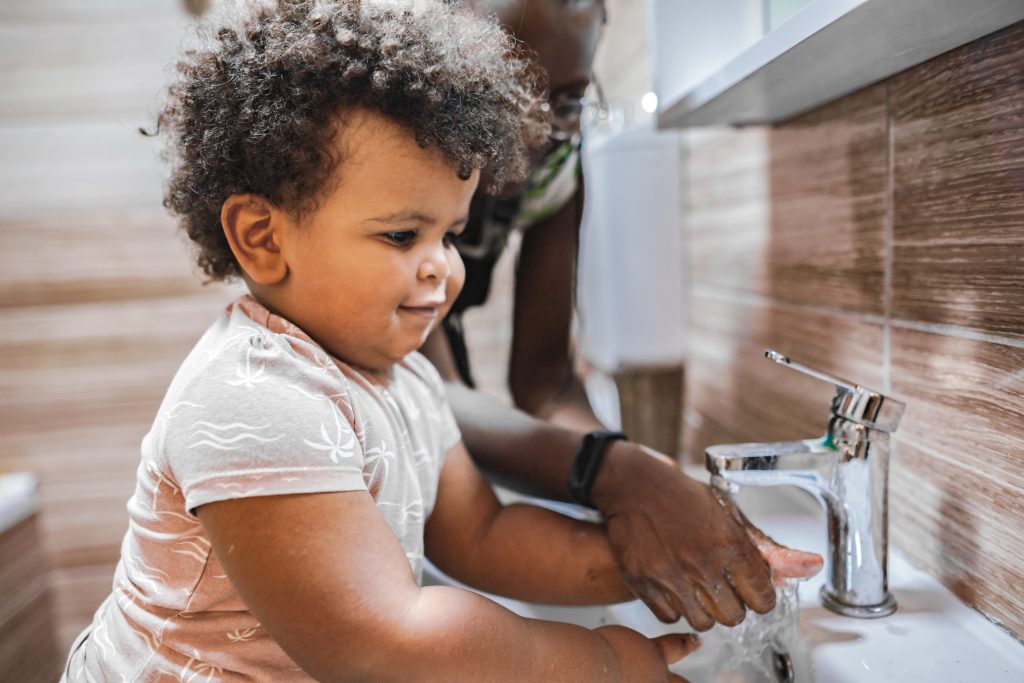
- Wash hands
- Put away toys
- Brush teeth
- Get dressed
- Follow directions
- Help with simple tasks
These small routines build confidence and encourage independence.
For toddlers and preschoolers, repetition is important. Children often learn best when activities happen in similar ways each day.
Morning Routines Set the Tone for the Day
A calm morning routine can help children transition more smoothly into the day.
Simple morning routines may include:
- Waking up at a regular time
- Washing face and brushing teeth
- Eating breakfast
- Getting dressed
- Reviewing the day simply and positively
Visual schedules or picture routines can be especially helpful for young children and children with developmental delays.
Bedtime Routines Support Sleep and Development
Sleep is essential for brain development, emotional regulation, growth, and learning.
Research from the Centers for Disease Control and Prevention (CDC) highlights the importance of consistent sleep routines for children’s physical and emotional health.
A calming bedtime routine may include:
- Bath time
- Pajamas
- Reading a book
- Soft music
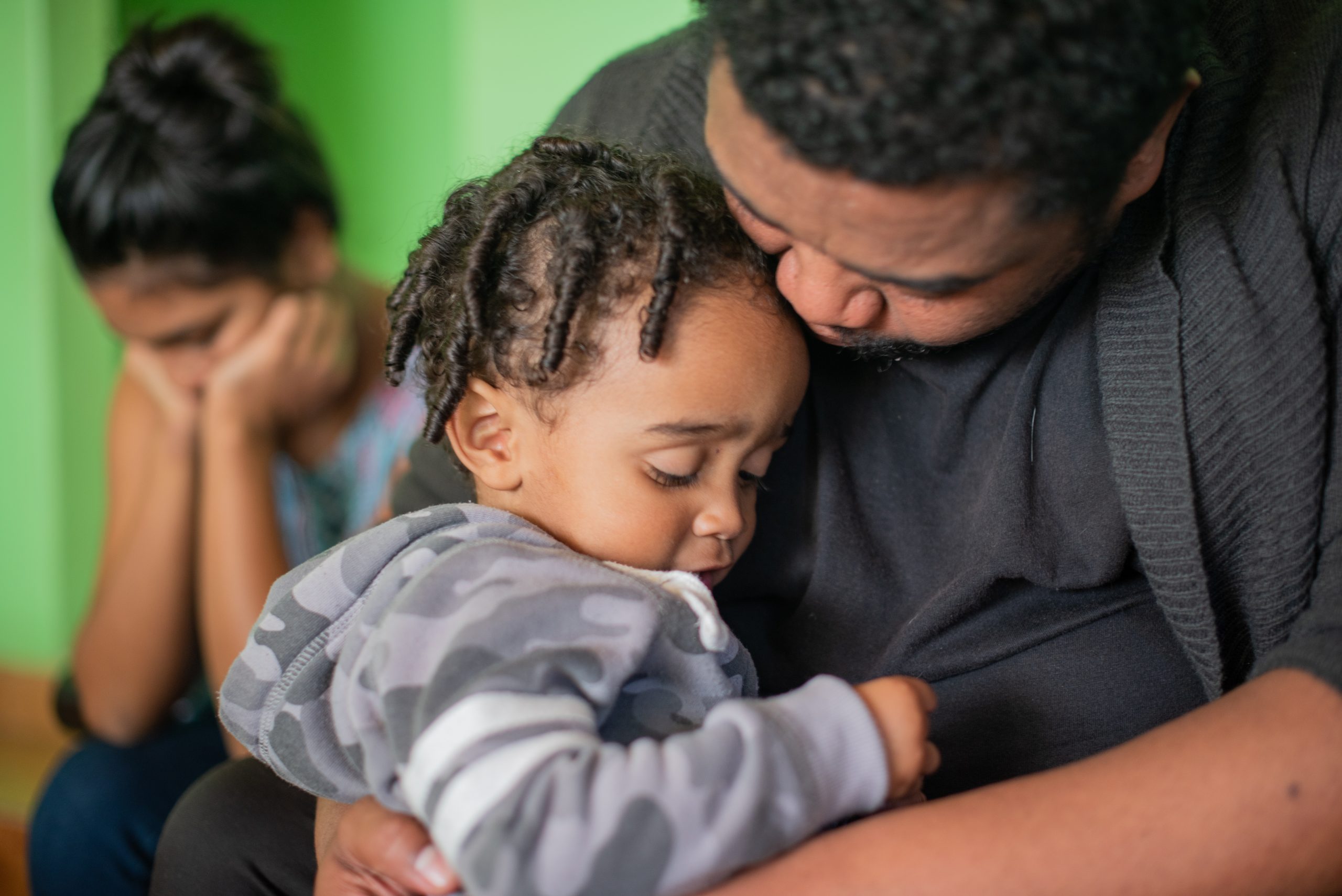
- Quiet cuddling
- Dimming lights
Predictable bedtime routines often help children fall asleep more easily and sleep more consistently.
Routines Help Reduce Challenging Behavior
Many challenging behaviors happen during:
- Transitions
- Unclear expectations
- Fatigue
- Hunger
- Overstimulation
Consistent routines help children understand what is expected and reduce uncertainty.
For example:
- Cleaning up before dinner
- Bath before bedtime
- Quiet reading before sleep
- Snack after school
These patterns help children prepare mentally for transitions.
Flexibility Is Also Important
Routines should support family life — not create stress.
Life happens.
Schedules change.
Children have difficult days.
Healthy routines should allow room for:
- Flexibility
- Rest
- Family needs
- Cultural traditions
- Individual differences
The goal is not perfection.
The goal is creating a predictable and supportive environment.
Simple Ways to Build Healthy Routines
Parents can start small.
Helpful strategies include:
- Keeping wake-up and bedtime consistent
- Using simple language
- Giving transition warnings (“5 more minutes”)
- Using songs during routines
- Creating visual schedules
- Repeating routines daily
- Praising cooperation
Consistency over time matters more than strict control.
Supporting Children Through Transitions
Transitions can be difficult for many young children.
Helpful supports include:
- Countdown warnings
- Visual timers
- Songs
- First-then language (“First clean up, then outside”)
- Calm reassurance
Children often do better when transitions are predictable and supported.
Final Thoughts
Healthy routines help young children feel safe, confident, and ready to learn.
Simple daily patterns support:
- Emotional regulation
- Independence
- Communication
- Sleep
- Cooperation
- Family connection
Routines do not need to be complicated.
Even small, consistent habits can have a meaningful impact on a child’s development and well-being.