Every child develops at their own pace, but there are important developmental skills that most children typically learn during the early years. These are called developmental milestones.
Milestones help parents and professionals understand how children are growing in areas such as:
- Communication
- Movement
- Social interaction
- Play
- Learning
- Daily living skills
Research shows that early identification of developmental delays can lead to earlier support and better long-term outcomes for children. According to the Centers for Disease Control and Prevention (CDC), monitoring development helps families recognize strengths, celebrate progress, and identify concerns early if additional support may be needed.
Milestones are guides — not strict rules.
Children develop at different speeds, and some variation is completely normal.
Why Developmental Milestones Matter
The early years are a critical period for brain development.
When parents understand developmental milestones, they can:
- Support learning through everyday activities
- Encourage age-appropriate skills
- Recognize possible developmental concerns
- Seek support early when needed
Early support can make a meaningful difference because young children’s brains are highly adaptable during the first years of life.
Main Areas of Development
1. Communication and Language
This includes:
- Babbling
- Responding to sounds
- Using gestures
- Saying words
- Following directions
- Asking questions
- Holding conversations
Examples:
- Babies may smile and coo
- Toddlers begin using words and short phrases
- Preschoolers begin telling stories and asking many questions
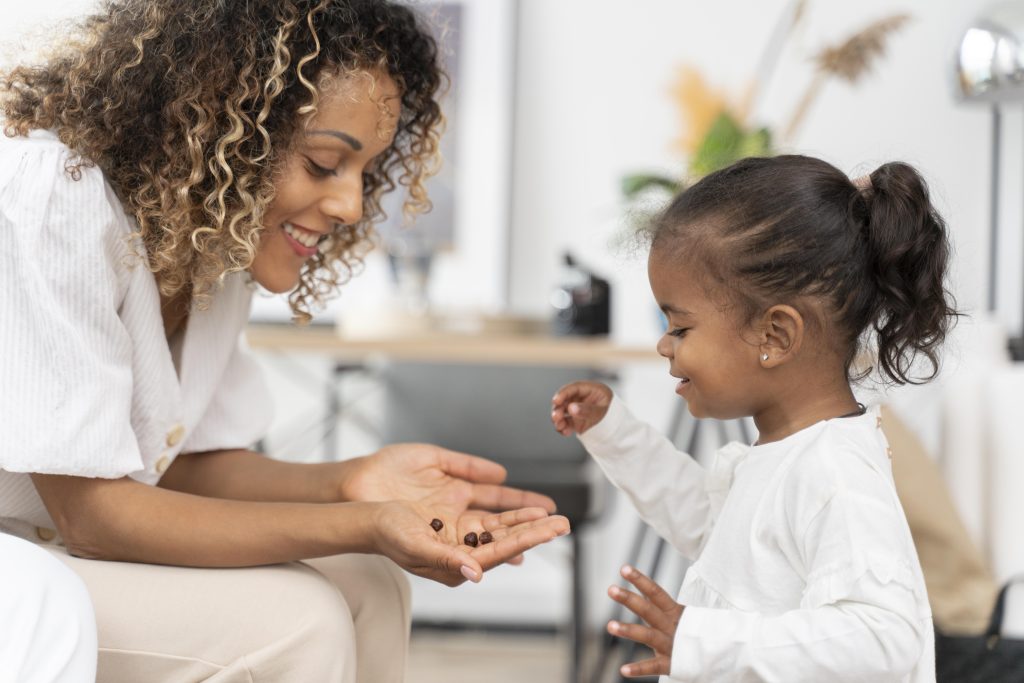
Language develops through interaction, play, and conversation.
2. Social and Emotional Development
This includes:
- Eye contact
- Smiling
- Playing with others
- Showing emotions
- Following simple social routines
- Developing friendships
Young children learn social skills gradually through relationships and play.
3. Cognitive Development
Cognitive skills involve learning, thinking, and problem-solving.
Examples include:
- Exploring objects
- Understanding cause and effect
- Matching shapes and colors
- Pretend play
- Counting
- Following routines
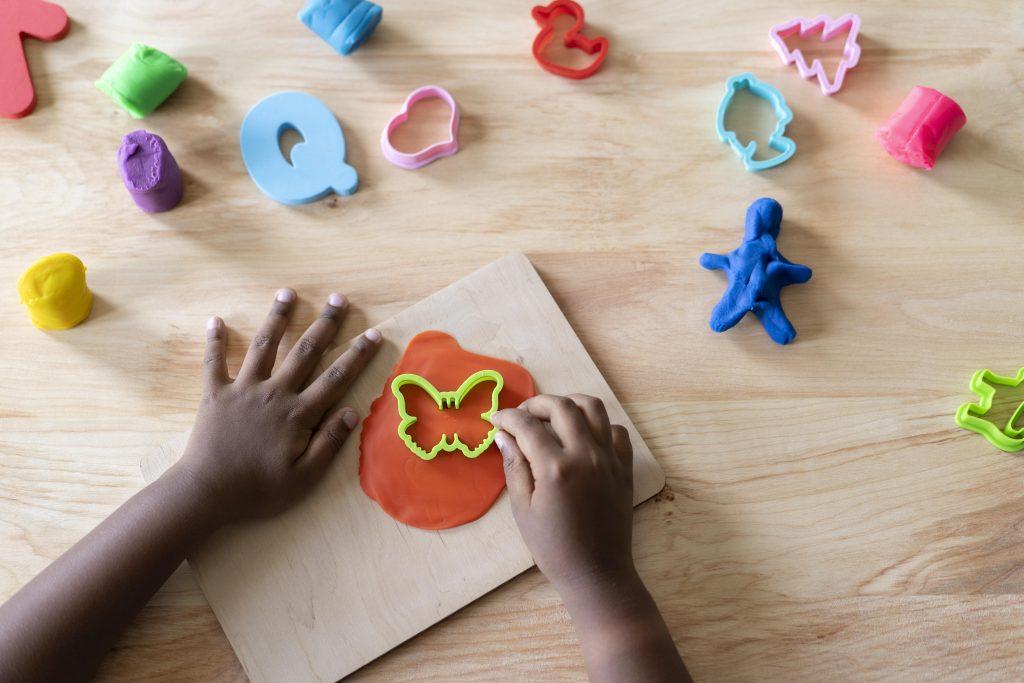
Play-based learning strongly supports cognitive development during early childhood.
4. Motor Development
Motor skills involve movement and coordination.
Gross Motor Skills
Large body movements such as:
- Rolling
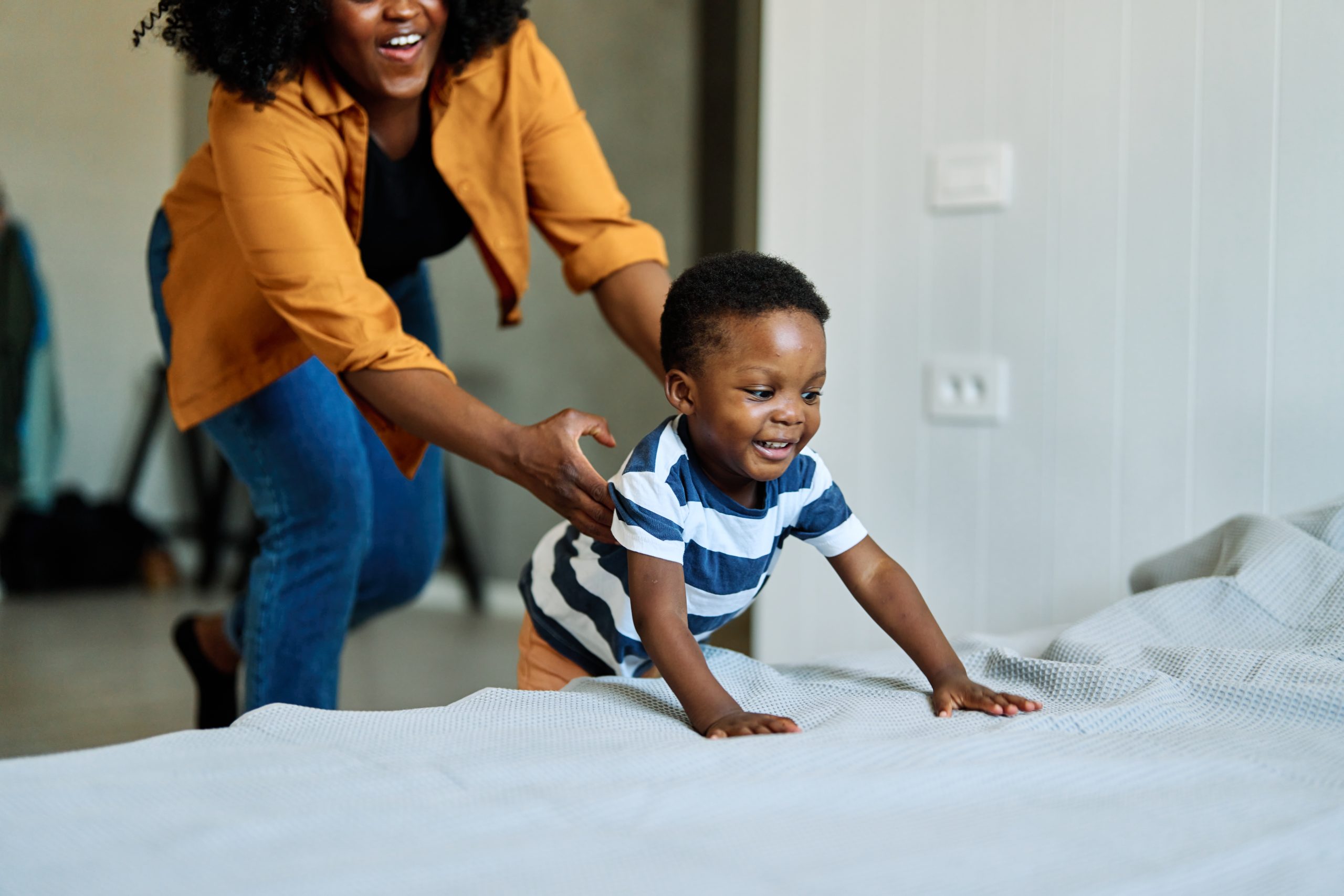
- Crawling
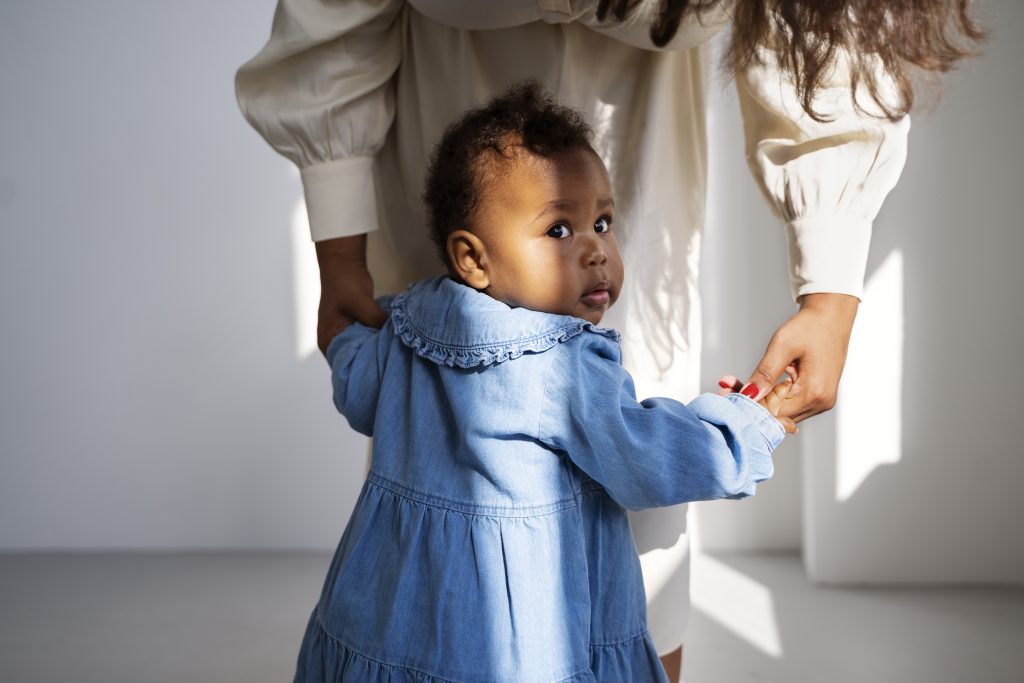
- Walking
- Running
- Jumping
- Climbing
Fine Motor Skills
Smaller hand movements such as:
- Picking up objects
- Stacking blocks
- Drawing
- Using utensils
- Buttoning clothing
Movement activities help strengthen these skills naturally.
5. Adaptive and Daily Living Skills
These are practical everyday skills.
Examples include:
- Feeding
- Dressing
- Toileting
- Following routines
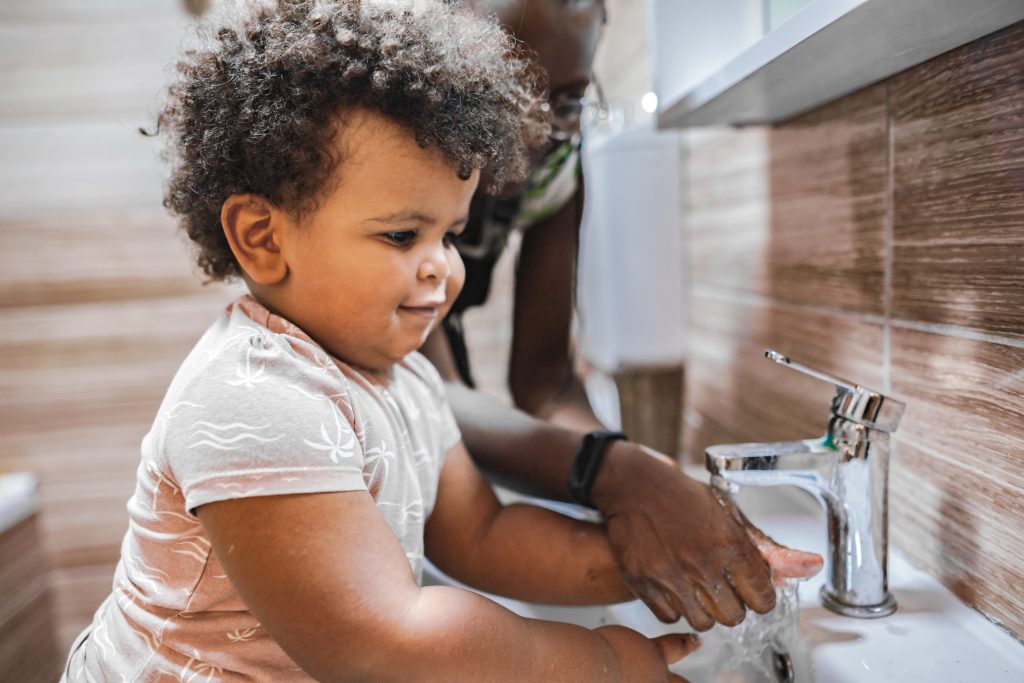
- Washing hands
- Cleaning up toys
Children build independence gradually with support and repetition.
What Parents Should Watch For
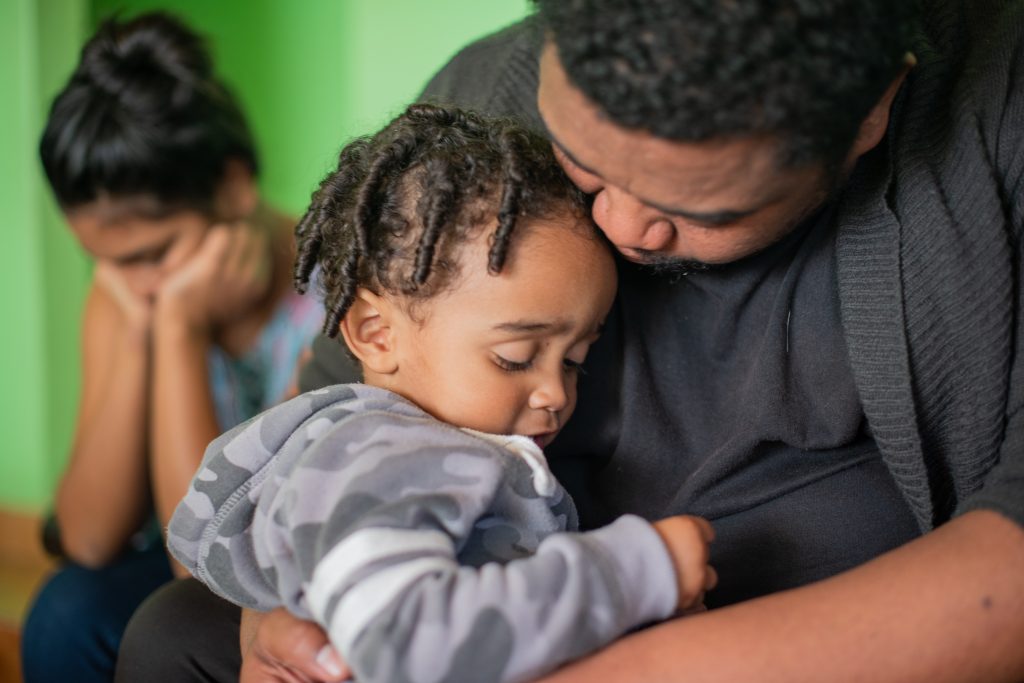
Children develop differently, but some signs may suggest a child could benefit from additional support or developmental screening.
Examples may include:
- Limited eye contact
- Not responding to their name consistently
- Limited communication
- Loss of previously learned skills
- Difficulty interacting with others
- Delayed movement skills
- Limited pretend play
- Difficulty following simple directions
Having one sign does not automatically mean something is wrong.
However, early discussion with a pediatrician or developmental professional can help provide guidance and support.
Early Support Matters
Research consistently shows that early intervention can improve communication, social skills, adaptive functioning, and learning outcomes for children with developmental delays.
The earlier support begins, the more opportunities children have to build important developmental skills during the early years.
Simple Ways Parents Can Support Development at Home
Parents support development every day through simple interaction.
Helpful activities include:
- Talking during routines
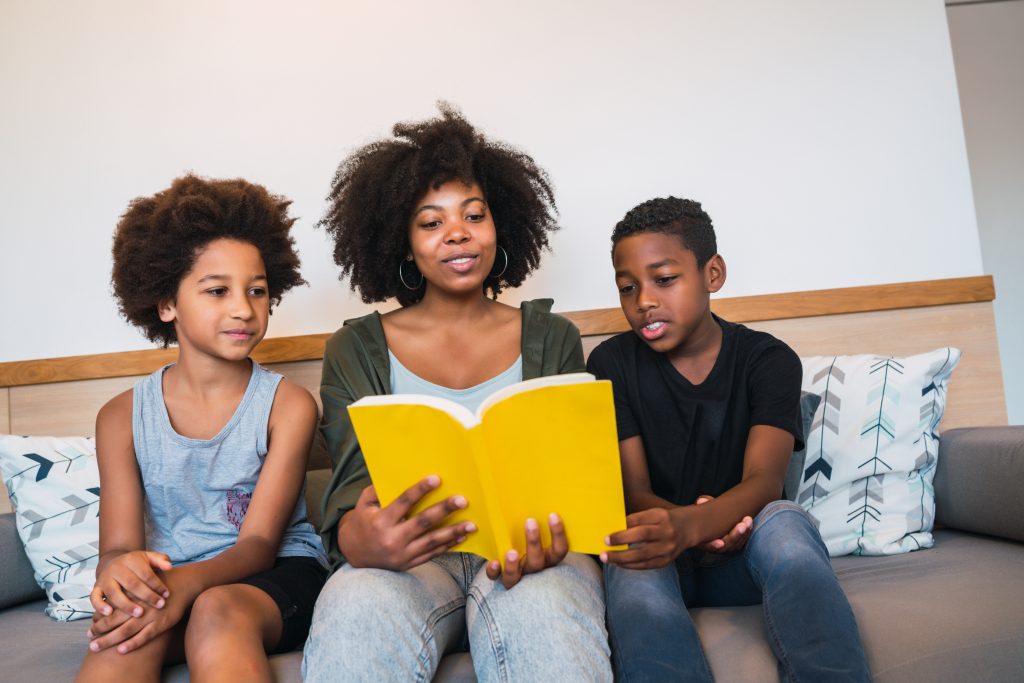
- Reading books
- Singing songs
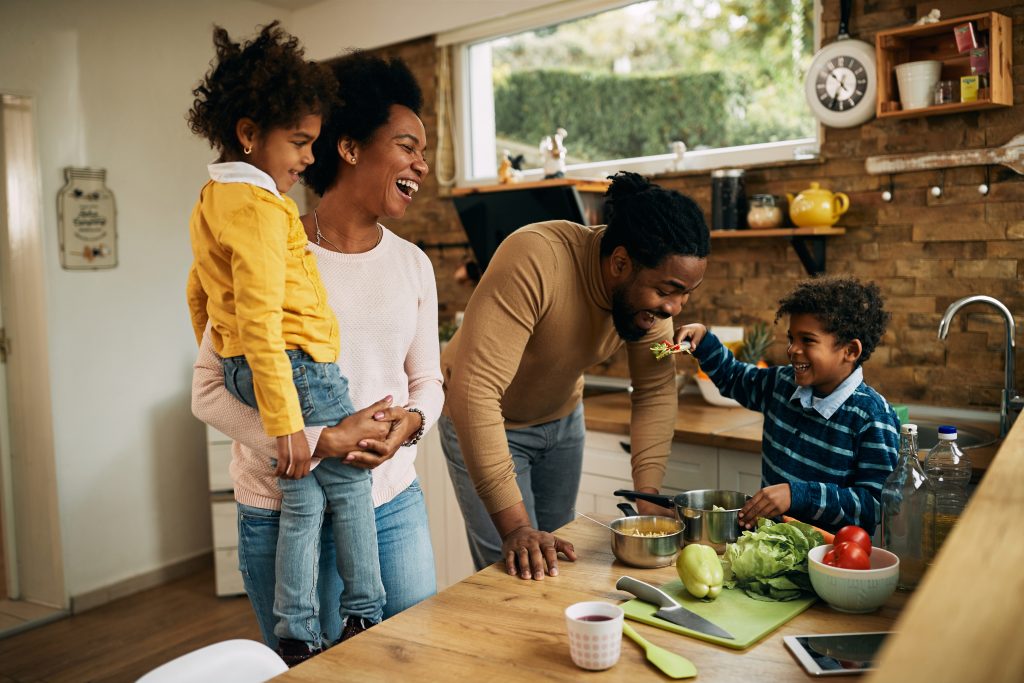
- Playing together
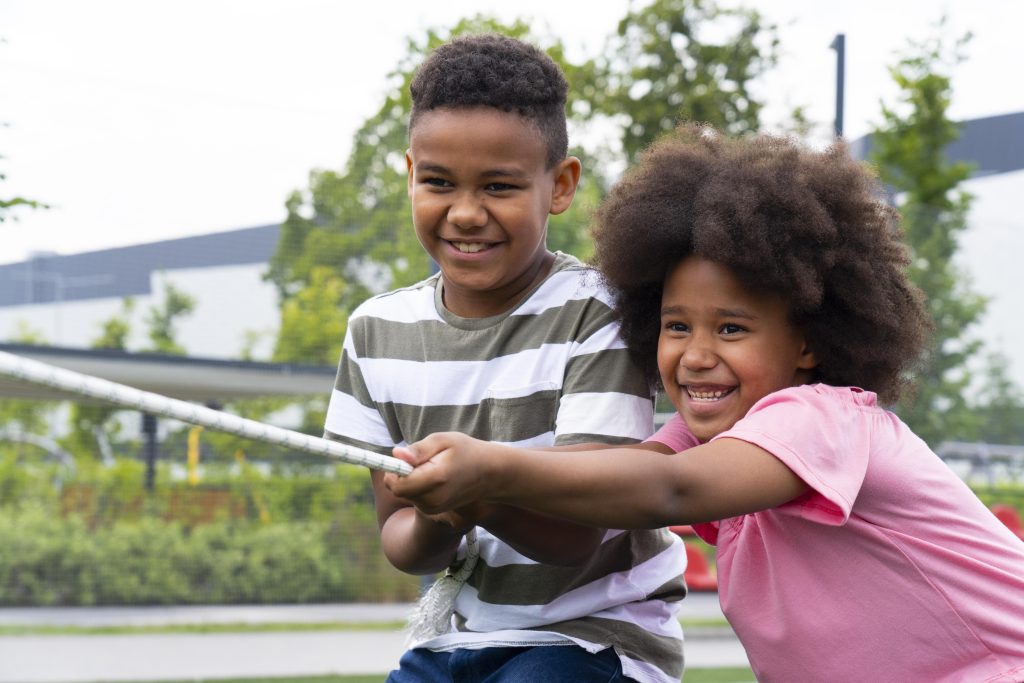
- Encouraging movement
- Offering sensory experiences
- Practicing turn-taking
- Creating consistent routines
Children learn best through responsive interaction and play.
Avoid Comparing Children Too Much
It is natural for parents to compare children, but development is not a competition.
Some children:
- Walk earlier
- Talk later
- Need more repetition
- Prefer quieter play
- Develop certain skills faster than others
The goal is not perfection.
The goal is supporting progress and growth.
Final Thoughts
Developmental milestones help parents better understand how children grow, learn, communicate, and interact with the world.
By paying attention to development early, families can:
- Celebrate progress
- Support learning
- Build confidence
- Identify concerns early when needed
Most importantly, children benefit most from responsive relationships, play, patience, and supportive environments during the early years of life.