
Communication begins long before children say their first words. From birth, babies communicate through crying, eye contact, facial expressions, sounds, gestures, and movement.
During the first six years of life, children rapidly develop communication skills that help them connect with others, express needs, learn, and build relationships.
Research shows that early communication development is closely connected to brain development, social interaction, and learning. According to Harvard’s Center on the Developing Child, responsive “serve and return” interactions between children and caregivers help build strong brain connections that support language and communication.
Communication development does not happen automatically.
Children learn language through interaction, repetition, play, and connection.
Communication Starts Early
Even newborns are communicating.
Babies begin by:
- Crying
- Looking at faces
- Responding to voices
- Smiling
- Making sounds
As children grow, communication expands to:
- Gestures
- Pointing
- Babbling
- Words
- Short phrases
- Conversations
- Storytelling
Every interaction helps strengthen communication skills.
Why Communication Skills Matter
Communication affects many areas of development, including:
- Learning
- Social interaction
- Emotional regulation
- Behavior
- Independence
- School readiness
When children can communicate their wants, needs, and feelings effectively, frustration often decreases and social connection improves.
Children Learn Language Through Everyday Interaction
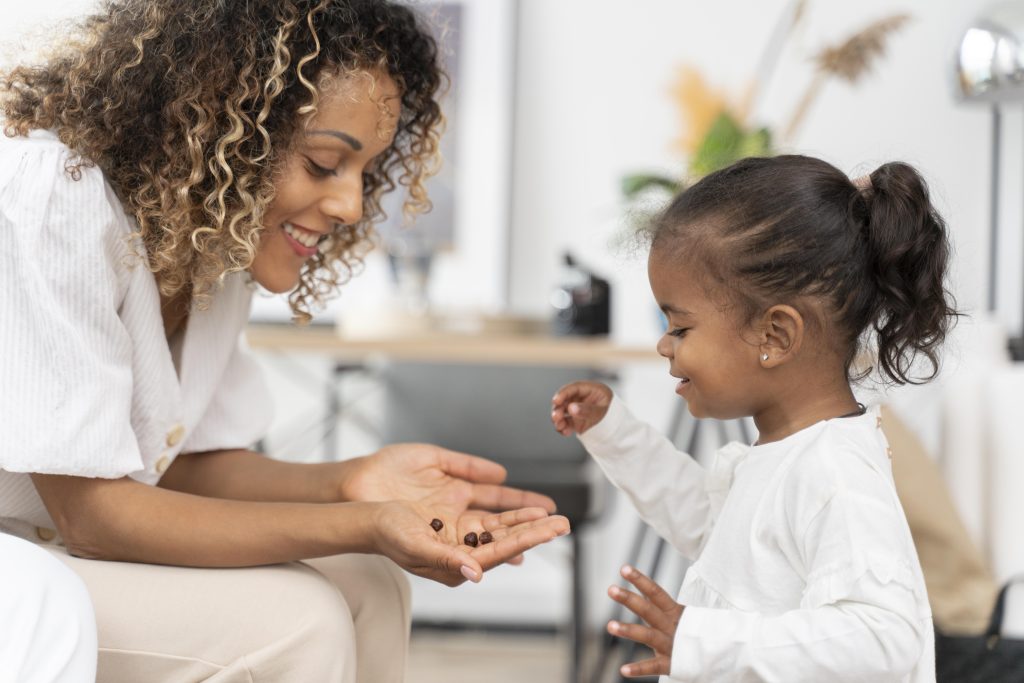
Young children learn communication best through real conversations and interaction with people — not passive listening alone.
Simple daily moments help build language:
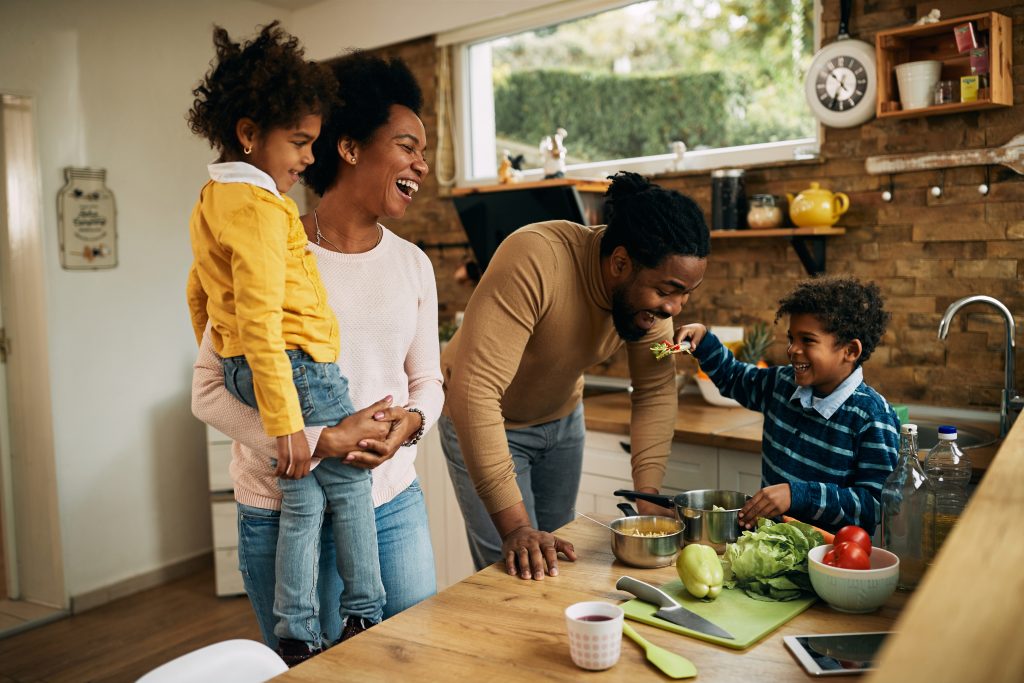
- Talking during meals
- Singing songs
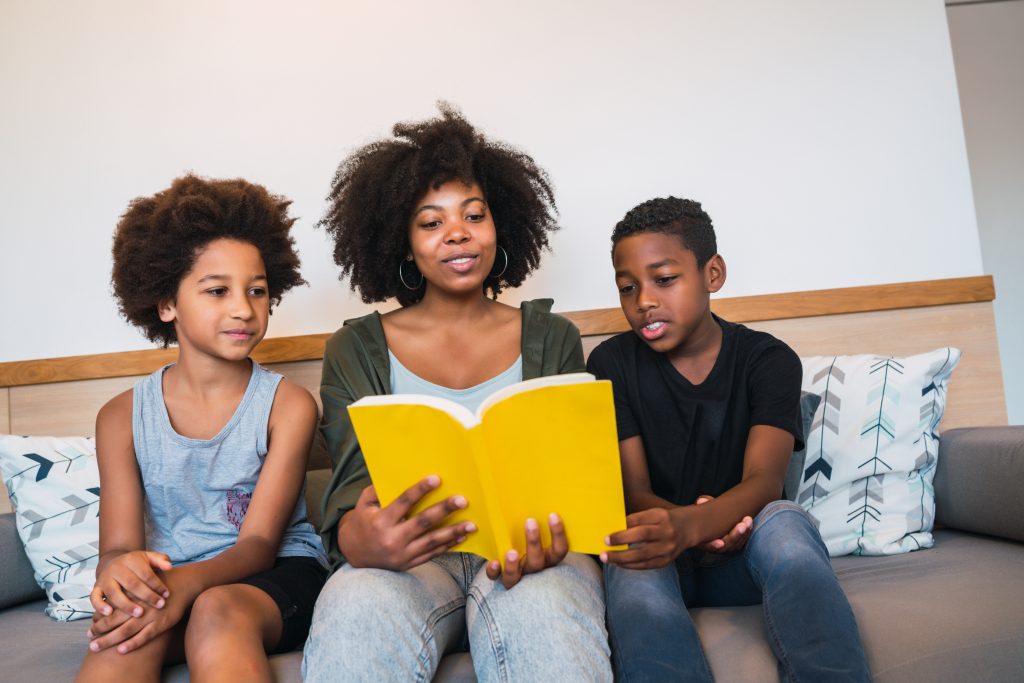
- Reading books
- Naming objects
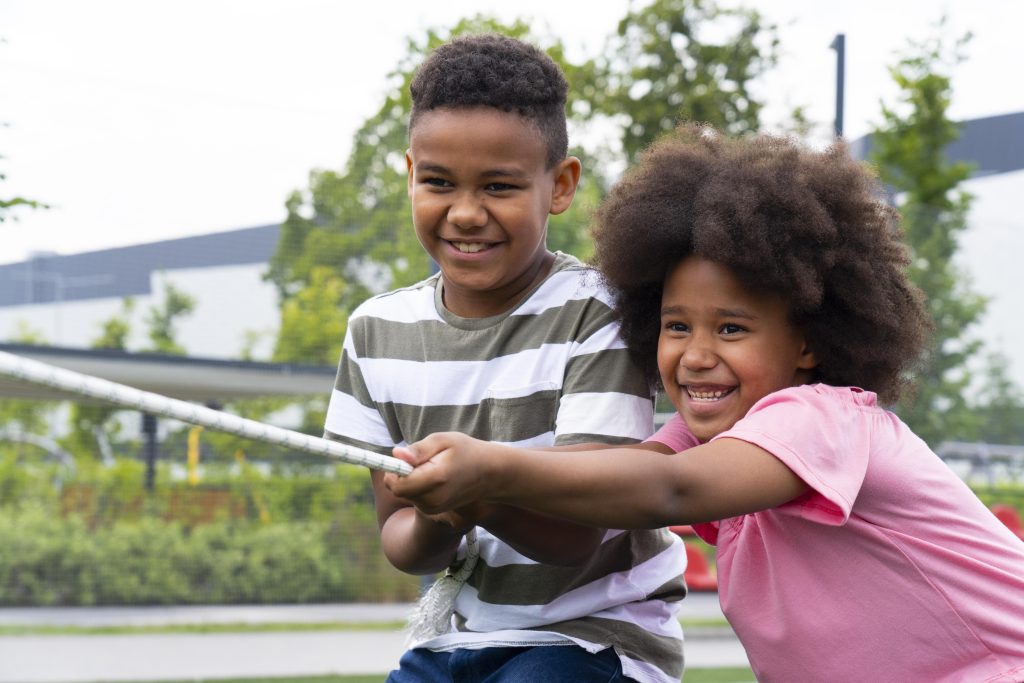
- Playing together
- Responding to sounds and gestures
- Describing routines
The more children hear meaningful language during interaction, the more opportunities they have to learn.
Talking With Children Matters More Than Talking At Them
Communication is most powerful when it is interactive.
Helpful strategies include:
- Waiting for children to respond
- Copying sounds or words
- Expanding what children say
- Asking simple questions
- Following the child’s interests
For example:
Child: “Ball!”
Adult: “Yes! A big red ball!”
These small interactions help children hear more language naturally.
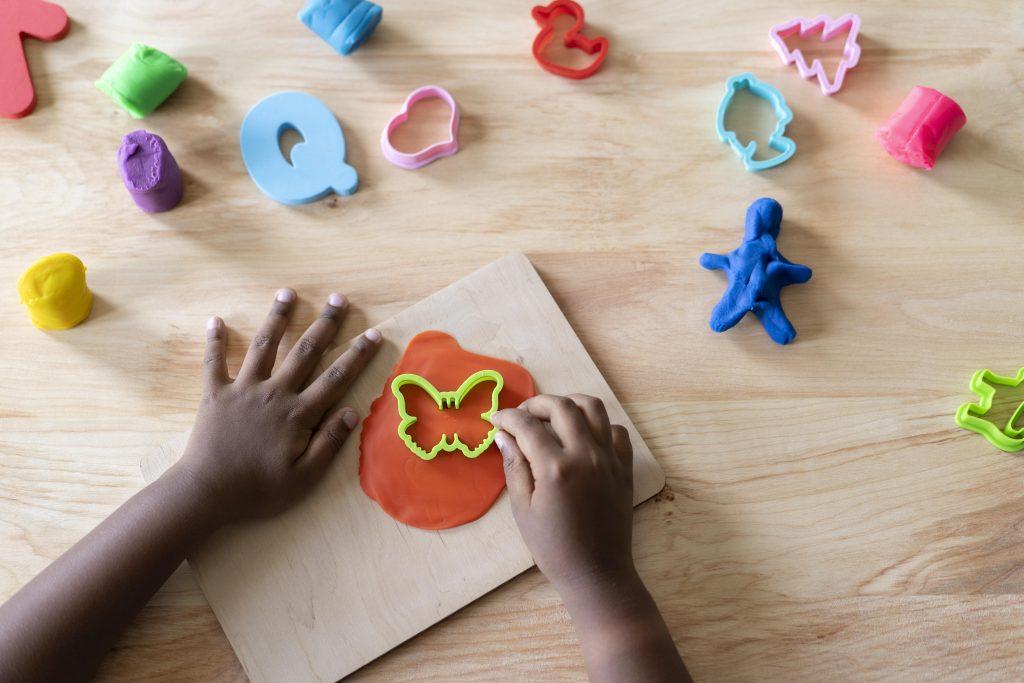
Play Supports Communication Development
Play creates natural opportunities for language learning.
During play, children practice:
- Requesting
- Commenting
- Asking questions
- Taking turns
- Using imagination
- Following directions
Pretend play, songs, sensory play, and movement activities all encourage communication growth.
Reading Supports Language Development
Research consistently shows that reading aloud supports vocabulary and communication development.
Books expose children to:
- New words
- Sounds
- Questions
- Story structure
- Conversation
Reading does not need to be perfect or lengthy.
Even a few minutes each day can support language growth.
Bilingualism Does Not Cause Language Delays
Many families worry that hearing more than one language may confuse children.
Research shows that children can successfully learn multiple languages when they are exposed consistently and meaningfully to both. Speaking the home language supports family connection, identity, and communication.
Parents should feel comfortable speaking the language they communicate best in with their child.
When Parents May Want Additional Support
Children develop communication skills at different rates, but some signs may suggest a child could benefit from developmental screening or additional support.
Examples include:
- Limited eye contact
- Limited babbling by infancy
- Not responding to their name consistently
- Limited gestures such as pointing
- Few or no words by toddler years
- Difficulty understanding simple directions
- Loss of previously learned language
Early support can help children build important communication skills during the years when the brain is developing rapidly.
Simple Ways Parents Can Support Communication at Home
Parents do not need special materials.
Helpful strategies include:
- Talking throughout the day
- Reading books together
- Singing songs
- Playing face-to-face games
- Giving children time to respond
- Limiting background screen noise
- Following the child’s interests
- Encouraging interaction instead of memorization
The goal is communication — not perfect speech.
Final Thoughts
Communication develops through relationships, interaction, play, and everyday experiences.
Small daily moments — talking, singing, reading, playing, and responding — help children build the foundation for language, learning, and connection.
Children do not need constant pressure to perform.
They need responsive interaction, patience, and opportunities to communicate in meaningful ways every day.