







Young children learn about the world through their senses. Touching, hearing, seeing, tasting, moving, and exploring help children build important brain connections during early childhood.
Sensory play includes activities that stimulate a child’s senses through hands-on exploration and movement. Research shows that sensory experiences support cognitive development, communication, motor skills, emotional regulation, and learning readiness.
During the first years of life, children’s brains develop rapidly. According to the National Association for the Education of Young Children (NAEYC), active exploration and sensory experiences help young children learn through meaningful interaction with their environment.
Sensory play is not just messy fun.
It is an important part of healthy development.
What Is Sensory Play?
Sensory play includes activities that engage one or more senses:
- Touch
- Sound
- Sight
- Smell
- Taste
- Movement
- Balance
Examples include:
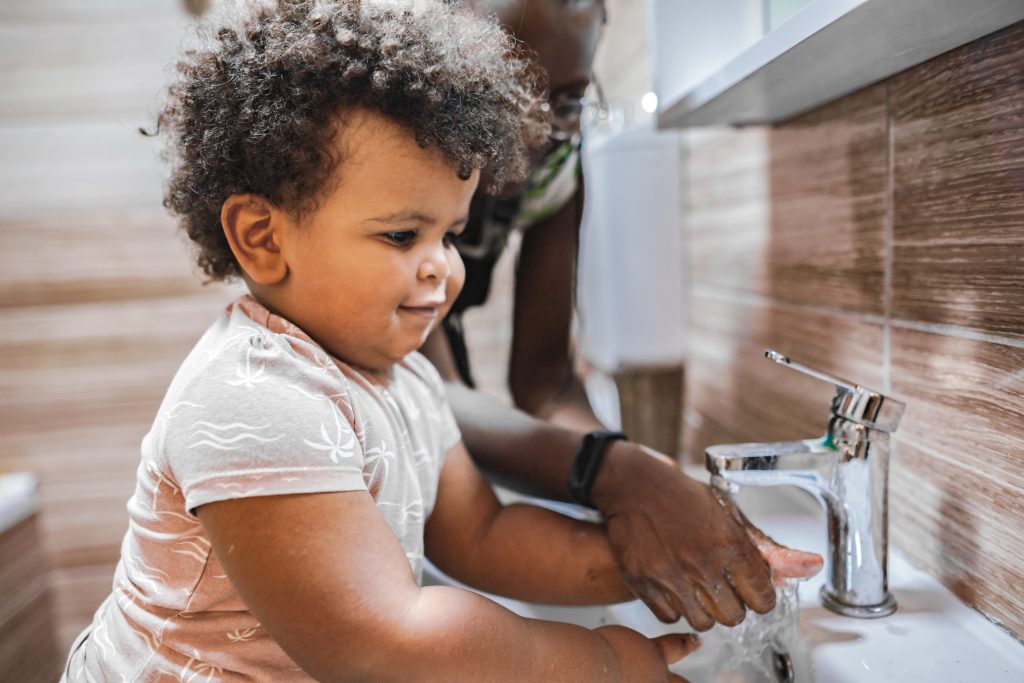
- Water play
- Sand play
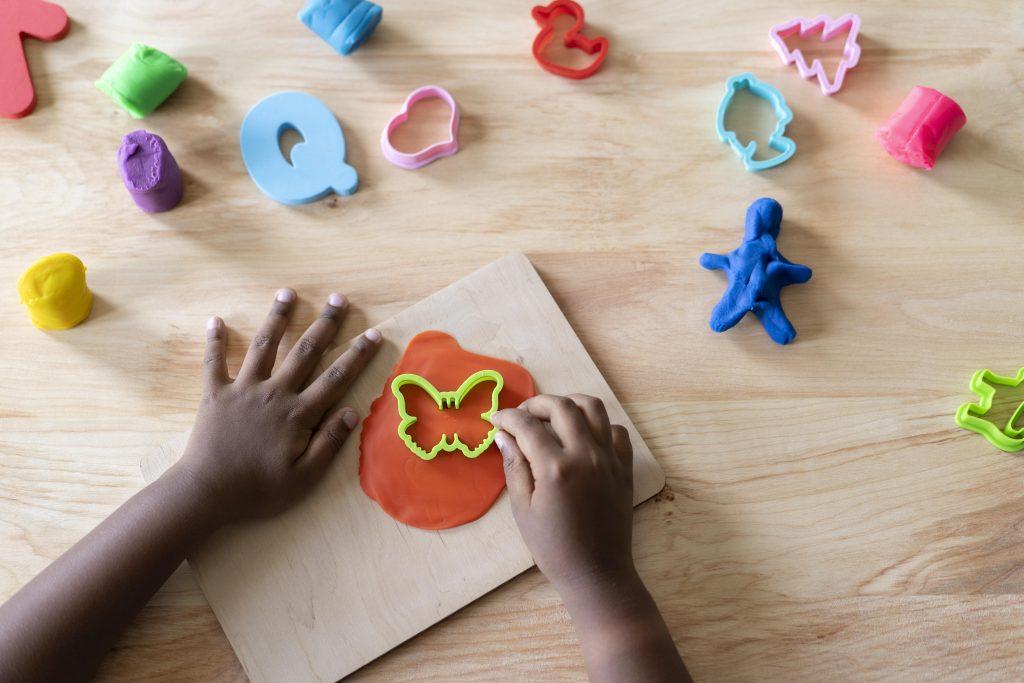
- Play dough
- Finger painting
- Music and dancing
- Rice or bean bins
- Bubbles
- Nature exploration
- Textured materials
Children learn by touching, moving, exploring, and experimenting.
Why Sensory Play Matters
Sensory experiences help support:
- Brain development
- Problem-solving
- Attention
- Communication
- Motor development
- Creativity
- Emotional regulation
Children build understanding by interacting directly with their environment.
For example:
- Pouring water teaches cause and effect
- Squeezing play dough strengthens hand muscles
- Jumping and climbing build body awareness
- Listening to music supports rhythm and attention
Sensory Play Supports Language Development
Sensory activities naturally encourage communication.
During sensory play, children may:
- Request items
- Describe textures
- Ask questions
- Make choices
- Follow directions
- Learn new vocabulary
Parents can support communication by talking during activities:
- “The water is cold.”
- “You found the big spoon.”
- “The sand feels soft.”
Simple language paired with real experiences helps children understand words more meaningfully.
Sensory Play Supports Motor Skills
Many sensory activities strengthen fine and gross motor skills.
Fine Motor Skills
Small hand movements used for:
- Holding crayons
- Using utensils
- Buttoning clothing
- Writing later on
Activities that help:
- Scooping
- Pouring
- Pinching
- Stacking
- Rolling play dough
Gross Motor Skills
Large body movements such as:
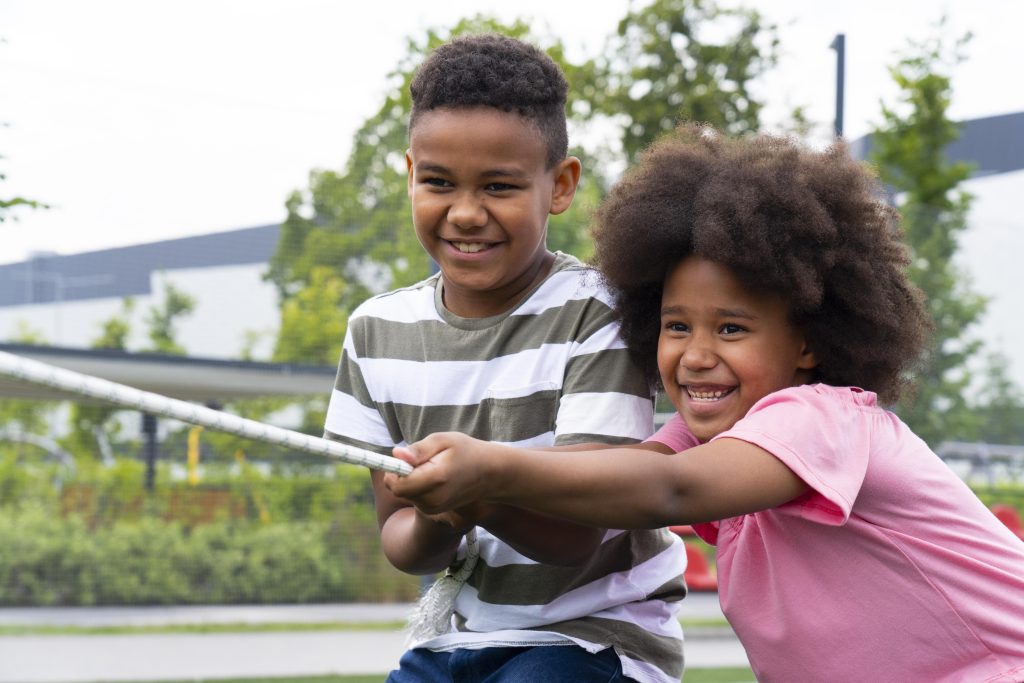
- Jumping
- Climbing
- Spinning
- Dancing
- Running
Movement-based sensory play supports balance, coordination, and body awareness.
Sensory Play Can Support Emotional Regulation
Some sensory activities help children feel calm and organized.
Examples:
- Water play
- Deep pressure hugs
- Swinging
- Soft music
- Slow movement
- Sensory bins
Children often use sensory experiences to help regulate emotions, attention, and energy levels.
However, children respond differently to sensory input. Some children seek movement and textures, while others may become overwhelmed by noise, lights, or certain sensations.
Sensory Differences Are Real
Some children are more sensitive to sensory experiences than others.
For example, a child may:
- Cover ears around loud sounds
- Avoid certain textures
- Seek constant movement
- Prefer deep pressure
- Become overwhelmed in busy environments
Sensory differences can occur in many children, including children with autism or developmental differences.
Understanding sensory needs can help parents create more supportive environments.
Easy Sensory Activities Parents Can Do at Home
Parents do not need expensive materials.
Simple ideas include:
- Water in bowls or buckets
- Rice or beans in containers
- Homemade play dough
- Dancing to music
- Bubble play
- Nature walks
- Safe kitchen exploration
- Finger painting
- Building with boxes
The focus should be on safe exploration and interaction — not perfection.
Safety Tips for Sensory Play
Always supervise young children during sensory activities.
Keep materials:
- Non-toxic
- Age-appropriate
- Large enough to avoid choking risks
Some children may need shorter sensory activities if they become overwhelmed easily.
Final Thoughts
Sensory play helps children explore, learn, communicate, and regulate emotions through hands-on experiences.
Simple sensory activities support:
- Brain development
- Language
- Motor skills
- Attention
- Emotional regulation
- Creativity
Most importantly, sensory play allows children to learn naturally through curiosity, exploration, and joyful interaction with the world around them.