



One of the most important goals of early childhood is helping children become more independent over time. Independence begins with small everyday skills — feeding, dressing, communicating needs, following routines, making choices, and participating in daily activities.
Research shows that encouraging independence during early childhood supports confidence, problem-solving, emotional development, and school readiness. According to the Centers for Disease Control and Prevention (CDC), children build developmental skills gradually through everyday interaction, repetition, and opportunities to practice.
Independence does not happen all at once.
It develops step by step through support, patience, and practice.
Why Independence Matters
When children learn to do things for themselves, they begin to develop:
- Confidence
- Responsibility
- Decision-making skills
- Problem-solving abilities
- Persistence
- Self-help skills
Independence also helps children feel capable and involved in family routines.
Simple tasks teach children:
“I can try.”
“I can learn.”
“I can participate.”
Independence Starts Early
Even babies begin developing independence.
Infants learn by:
- Reaching for toys
- Feeding themselves finger foods
- Exploring safely
- Making choices through gestures and sounds
Toddlers often want to:
- Hold spoons
- Carry objects
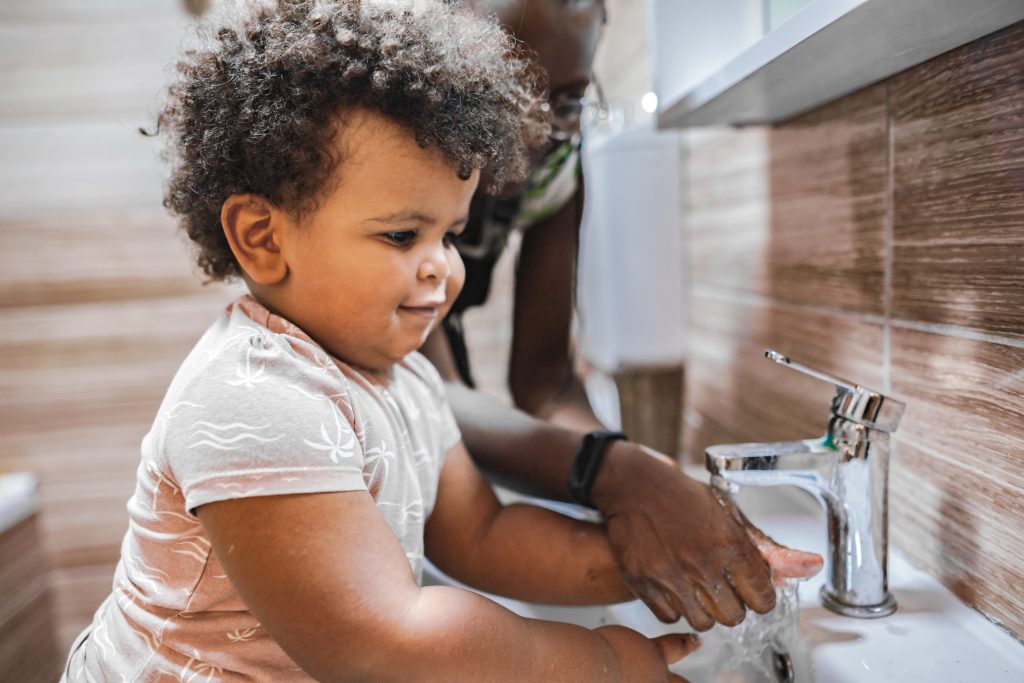
- Wash hands
- Help with tasks
- Choose clothing
- Try activities independently
Preschoolers continue building:
- Self-care skills
- Responsibility
- Communication
- Daily routines
- Simple problem-solving
These early experiences help prepare children for school and everyday life.
Let Children Participate in Daily Activities
Young children learn best through real-life experiences.
Everyday routines are powerful learning opportunities:
- Cleaning up toys
- Helping set the table
- Putting clothes away
- Watering plants
- Carrying small items
- Washing hands
- Choosing between two options
Children may complete tasks slowly or imperfectly at first, but practice is part of learning.
Independence Builds Confidence
Research in child development shows that children build confidence when they successfully complete manageable tasks.
When adults immediately do everything for children, children may have fewer opportunities to:
- Practice skills
- Solve problems
- Build persistence
- Develop confidence
Supporting independence does not mean expecting perfection.
It means allowing children opportunities to try.
Offering Choices Encourages Decision-Making
Simple choices help children feel involved and develop communication skills.
Examples:
- “Do you want the red shirt or blue shirt?”
- “Would you like bananas or apples?”
- “Do you want to read this book or that one?”
Too many choices can overwhelm young children, so simple options work best.
Routines Help Children Become More Independent
Predictable routines help children learn what to expect and what they can do on their own.
Examples:
- Putting shoes away after coming home
- Washing hands before meals
- Cleaning up after play
- Following bedtime routines
Visual schedules or picture charts can be especially helpful for toddlers and children with developmental differences.
Mistakes Are Part of Learning
Children learn through practice, repetition, and mistakes.
Spilling water, struggling with buttons, or forgetting steps are normal parts of development.
Helpful responses include:
- Staying calm
- Encouraging effort
- Breaking tasks into smaller steps
- Offering guidance when needed
Praise effort more than perfection:
- “You worked hard.”
- “You tried by yourself.”
- “Great job helping.”
Independence Looks Different for Every Child
Children develop skills at different rates.
Some children may need:
- More repetition
- Visual supports
- Physical assistance
- Extra time
- Simplified instructions
Children with developmental delays or disabilities can also build independence with appropriate support and opportunities to practice.
The goal is progress — not comparison.
Simple Ways Parents Can Encourage Independence at Home
Parents can support independence by:
- Allowing extra time for practice
- Using simple instructions
- Encouraging participation
- Creating routines
- Offering small choices
- Praising effort
- Breaking tasks into manageable steps
Small daily opportunities matter over time.
Final Thoughts
Independence develops gradually through everyday experiences, support, and practice.
When parents encourage children to participate, explore, make choices, and try new skills, they help build:
- Confidence
- Responsibility
- Problem-solving
- Communication
- Resilience
Young children do not need perfection.
They need opportunities, patience, encouragement, and supportive relationships that allow them to grow step by step.