




Sleep is one of the most important parts of healthy child development. During sleep, young children’s brains and bodies continue to grow, process information, regulate emotions, and restore energy.
Research shows that healthy sleep supports:
- Brain development
- Learning
- Memory
- Attention
- Emotional regulation
- Physical growth
- Immune health
According to the Centers for Disease Control and Prevention (CDC), children who get enough sleep are more likely to demonstrate improved attention, behavior, learning, and emotional well-being.
Sleep is not simply “rest.”
It is an essential part of development.
Why Sleep Matters for Young Children
During early childhood, the brain is developing rapidly.
Sleep helps support:
- Memory consolidation
- Learning
- Emotional processing
- Growth hormone release
- Attention and focus
Children who do not get enough sleep may have more difficulty with:
- Emotional regulation
- Attention
- Transitions
- Communication
- Learning
- Behavior
Sometimes overtired children appear more active or irritable rather than sleepy.
How Much Sleep Do Young Children Need?
Sleep needs vary slightly by child, but general recommendations include:
Infants (4–12 months)
12–16 hours including naps
Toddlers (1–2 years)
11–14 hours including naps
Preschoolers (3–5 years)
10–13 hours including naps
School-entry age (5–6 years)
9–12 hours
Consistent sleep is important for healthy development.
Bedtime Routines Help Children Feel Secure
Predictable bedtime routines help children transition calmly into sleep.
Research shows that consistent bedtime routines are associated with improved sleep quality and emotional regulation in children.
Helpful bedtime routines may include:
- Bath time
- Pajamas
- Reading books
- Soft music
- Dim lighting
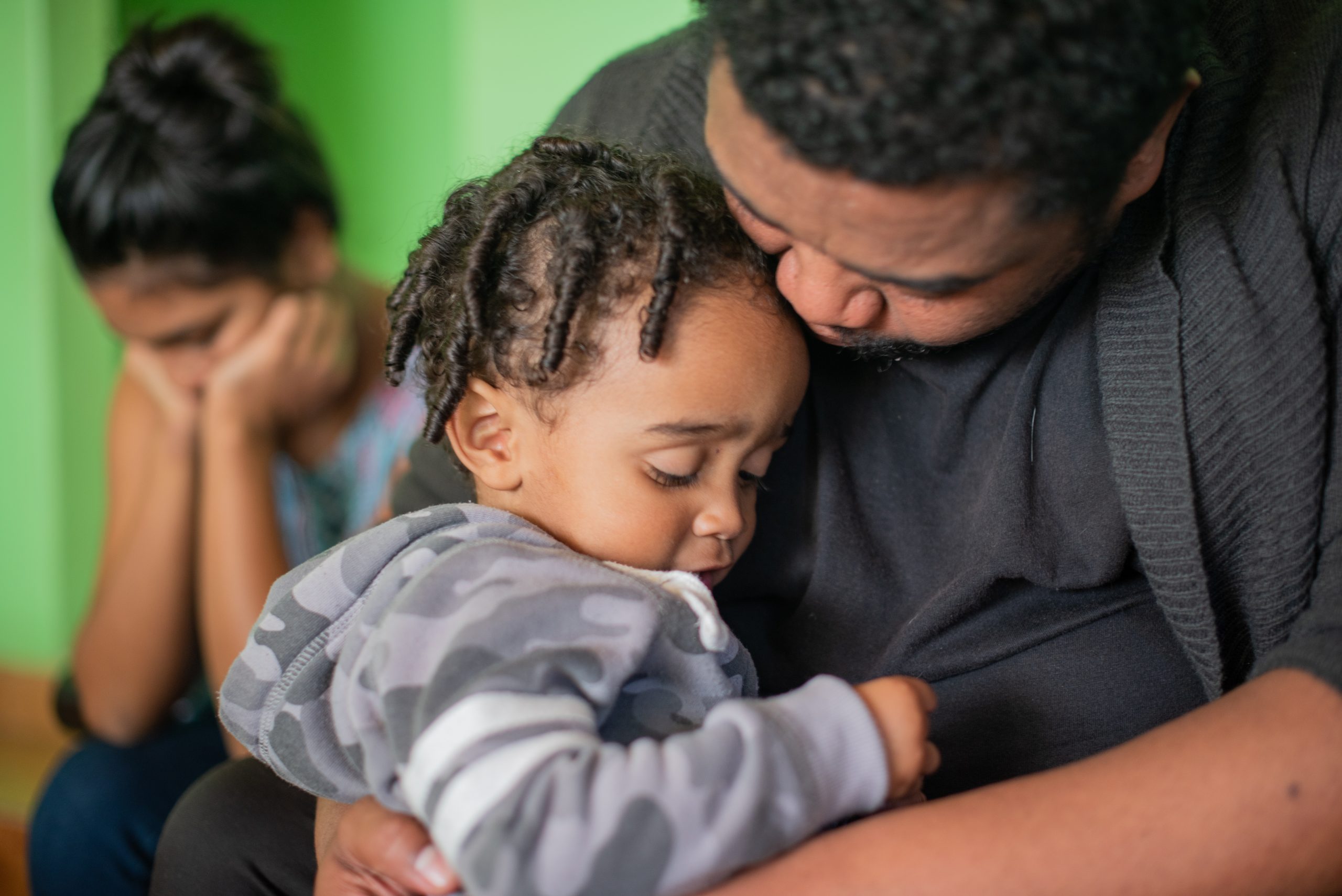
- Quiet cuddling
- Consistent sleep times
Children often sleep more easily when bedtime follows a familiar pattern.
Sleep and Emotional Regulation Are Connected
Children who are overtired may have:
- More tantrums
- Difficulty calming
- Increased frustration
- Trouble following directions
- Emotional outbursts
Sleep helps children regulate emotions and handle daily challenges more effectively.
Sometimes improving sleep routines can also improve daytime behavior.
Screens Can Affect Sleep
Research suggests that excessive screen exposure before bedtime may interfere with sleep quality and melatonin production.
Bright screens and stimulating content can make it harder for children to relax and fall asleep.
Helpful habits include:
- Reducing screens before bedtime
- Keeping bedtime calm and predictable
- Encouraging quiet activities in the evening
Books, music, or calming routines are often more supportive before sleep.
Naps Still Matter for Many Young Children
Many infants, toddlers, and preschoolers still benefit from daytime naps.
Naps can help:
- Reduce irritability
- Support learning
- Improve mood
- Restore energy
As children grow, nap needs gradually decrease.
Some Children Have More Difficulty Sleeping
Sleep challenges are common during early childhood.
Some children may struggle with:
- Falling asleep
- Staying asleep
- Night waking
- Fear of sleeping alone
- Sensory sensitivities
- Changes in routine
Children with developmental differences, anxiety, or sensory sensitivities may experience additional sleep difficulties.
Helpful Sleep Strategies for Parents
Parents can support healthy sleep habits by:
- Keeping bedtime consistent
- Using calming routines
- Creating comfortable sleep environments
- Reducing overstimulation before bed
- Encouraging physical activity during the day
- Limiting late caffeine or sugary drinks
- Offering reassurance calmly
Changes in sleep routines often take time and consistency.
Sleep Is Also Important for Parents
Parent well-being matters too.
Young children’s sleep challenges can affect caregiver stress, energy, and mental health. Asking for support and creating manageable routines can help families feel more supported overall.
Final Thoughts
Sleep is a critical part of healthy early childhood development.
Healthy sleep supports:
- Brain growth
- Learning
- Emotional regulation
- Attention
- Physical health
- Family well-being
Children do not need perfect sleep routines.
They benefit most from consistency, calm support, and predictable bedtime habits over time.