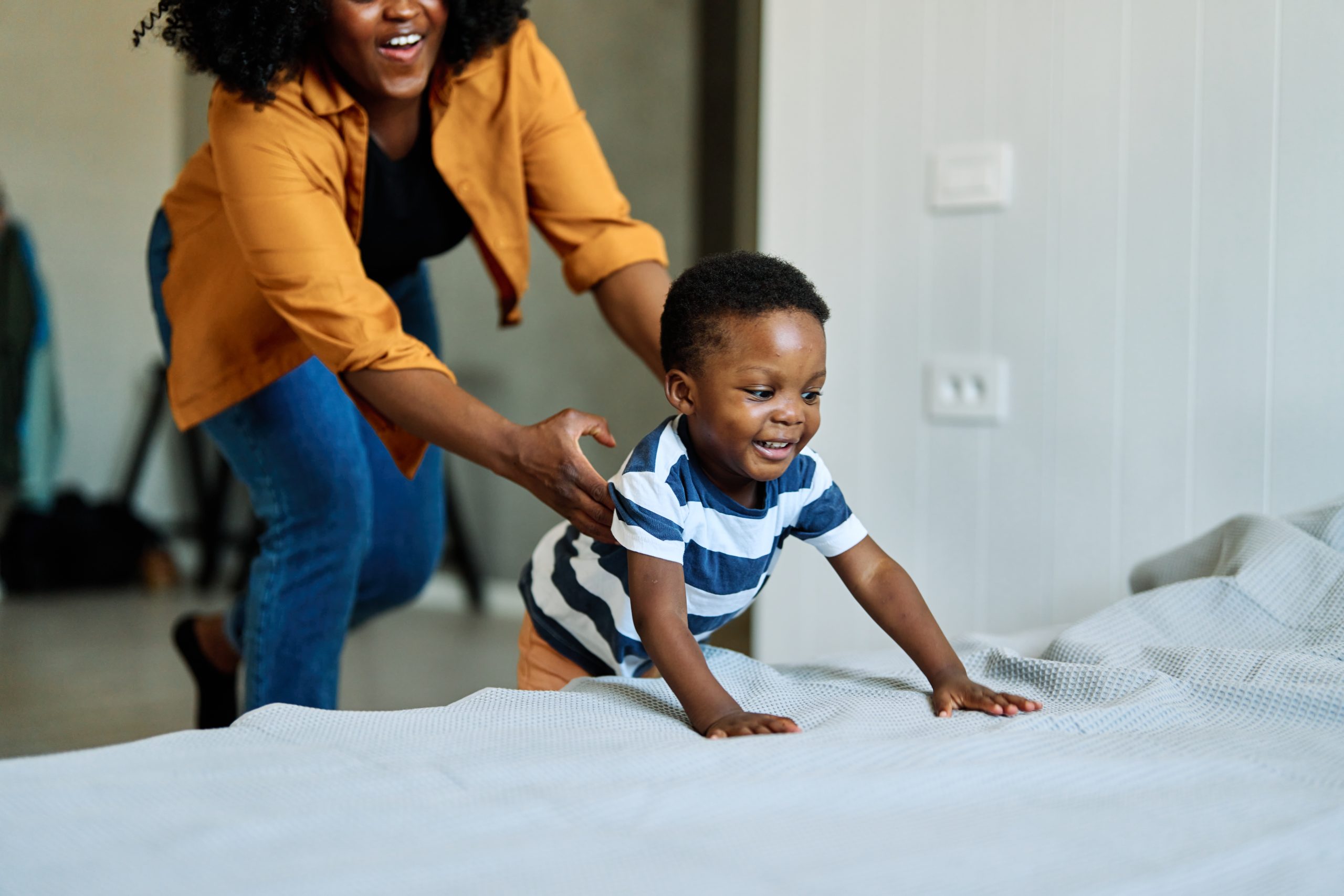
Play is one of the most important ways young children learn. What may look like “just playing” is actually helping children develop communication, thinking, movement, social, and emotional skills.
Research shows that play-based learning supports healthy brain development and helps children build the foundation for future learning. According to the American Academy of Pediatrics, play improves language, executive functioning, self-regulation, and social-emotional development.
For children ages 0–6, play is not separate from learning.
Play is learning.
Why Play Matters
During play, children practice:
- Problem-solving
- Communication
- Creativity
- Motor skills
- Attention
- Social interaction
- Emotional regulation
Play also helps children become curious, confident, and independent.
Different Types of Play Support Different Skills
1. Sensory Play
Sensory play includes activities involving touch, sound, movement, water, textures, or messy materials.
Examples:
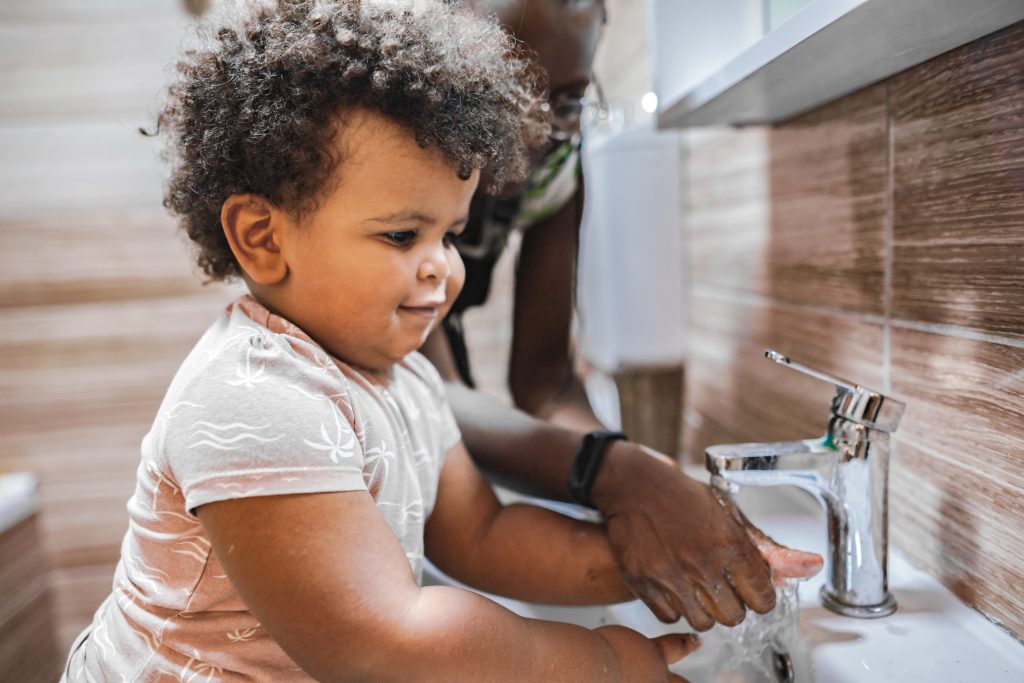
- Water play
- Sand play
- Rice bins
- Finger painting
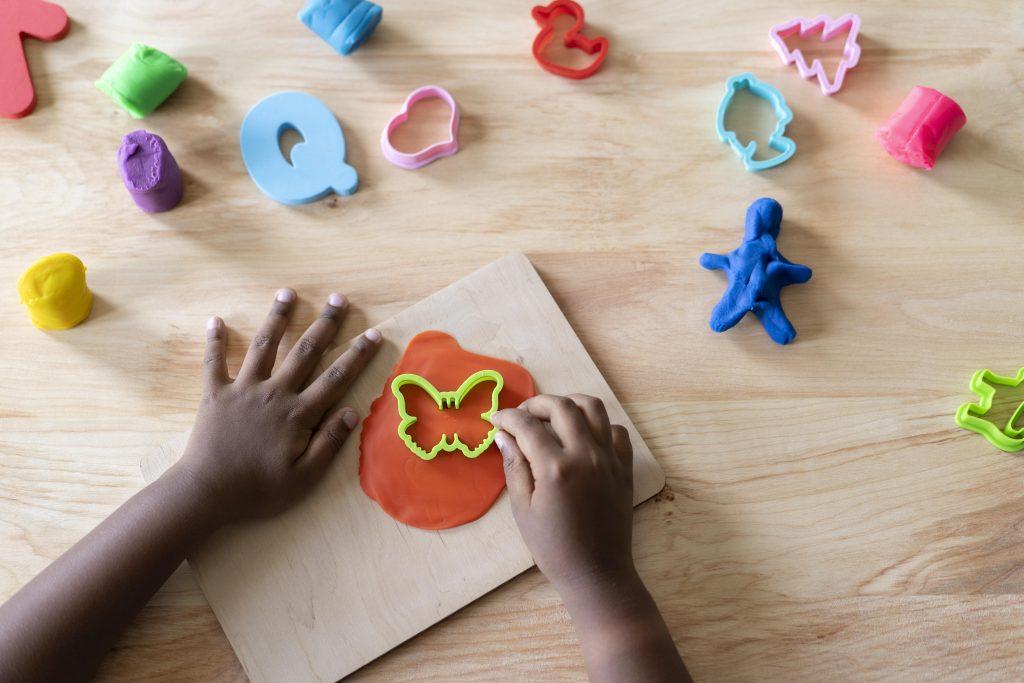
- Play dough
Research shows sensory experiences help strengthen brain connections and support cognitive development in early childhood.
Sensory play can also help children improve attention, exploration, and self-regulation.
2. Pretend Play
Pretend play helps children use imagination and understand the world around them.
Examples:
- Playing house
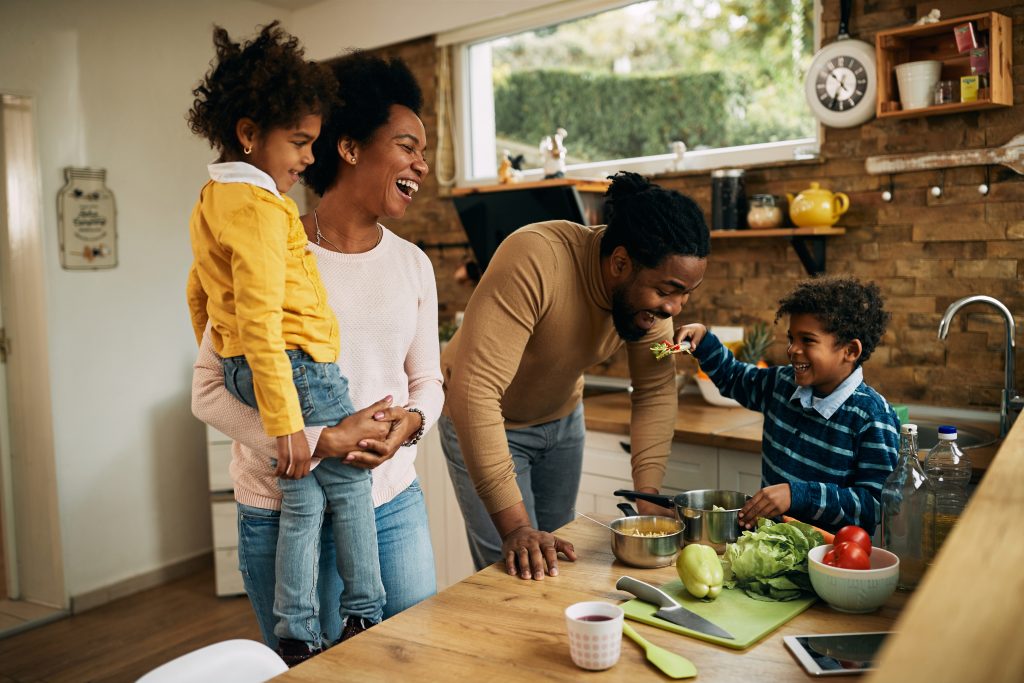
- Pretend cooking
- Doctor games
- Grocery store play
- Playing with dolls or action figures
Through pretend play, children practice:
- Language
- Social interaction
- Emotional understanding
- Problem-solving
Children also learn routines and roles by copying everyday life.
3. Physical Play
Movement is essential for healthy development.
Examples:
- Dancing
- Running
- Climbing
- Jumping
- Ball play
- Obstacle courses
Physical play supports:
- Coordination
- Balance
- Strength
- Body awareness
- Confidence
Research also shows that movement supports attention and learning readiness in young children.
4. Social Play
Playing with others teaches important life skills.
Children learn:
- Sharing
- Waiting
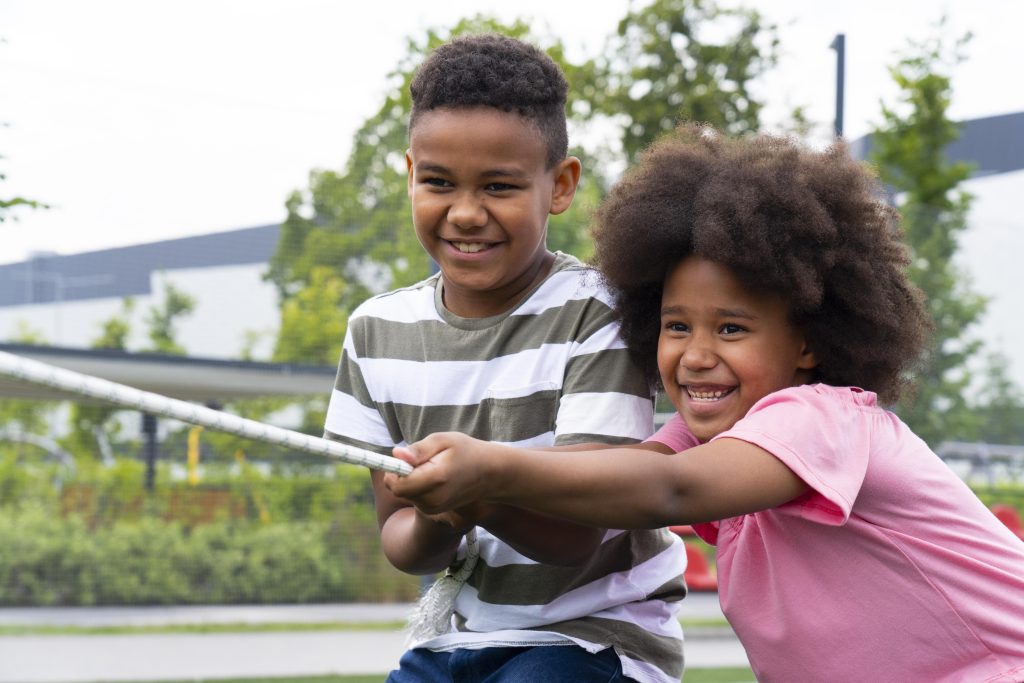
- Taking turns
- Cooperation
- Communication
- Managing frustration
These early social experiences help prepare children for school and group settings.
5. Independent Play
Children also benefit from learning how to play independently for short periods.
Independent play helps build:
- Creativity
- Focus
- Confidence
- Problem-solving
- Persistence
Simple activities like blocks, puzzles, drawing, or pretend play can encourage independence.
Screen Time Cannot Replace Real Play
While some educational media may be useful in moderation, research consistently shows that young children learn best through real-life interaction and hands-on experiences.
The World Health Organization recommends that young children have plenty of active play, movement, sleep, and face-to-face interaction daily.
Children need opportunities to:
- Move
- Explore
- Touch
- Talk
- Create
- Interact with people
These experiences build stronger learning foundations than passive screen time alone.
Simple Ways Parents Can Encourage Play at Home
You do not need expensive toys.
Some of the best play opportunities come from:
- Boxes
- Pots and spoons
- Pillows
- Water
- Books
- Music
- Outdoor walks
- Everyday routines
Even talking during cooking, folding laundry together, or singing during bath time can become meaningful learning moments.
Final Thoughts
Play is not a break from learning.
For young children, play is how learning happens.
When parents create opportunities for children to play, explore, move, imagine, and interact, they are helping build:
- Language
- Social skills
- Confidence
- Attention
- Creativity
- School readiness
The goal is not perfection or constant entertainment.
The goal is connection, exploration, and joyful learning.